
Sustainability is often taught in classrooms through lessons about recycling, climate change, and protecting the environment. But one powerful way students can practice sustainability every day is through something they use daily — their clothes.
Fashion might not always seem connected to environmental responsibility, yet the choices we make about clothing can have a significant impact. When schools encourage students to think about sustainable fashion, they help turn awareness into real action. The journey from classroom learning to everyday habits can start right in the school community.
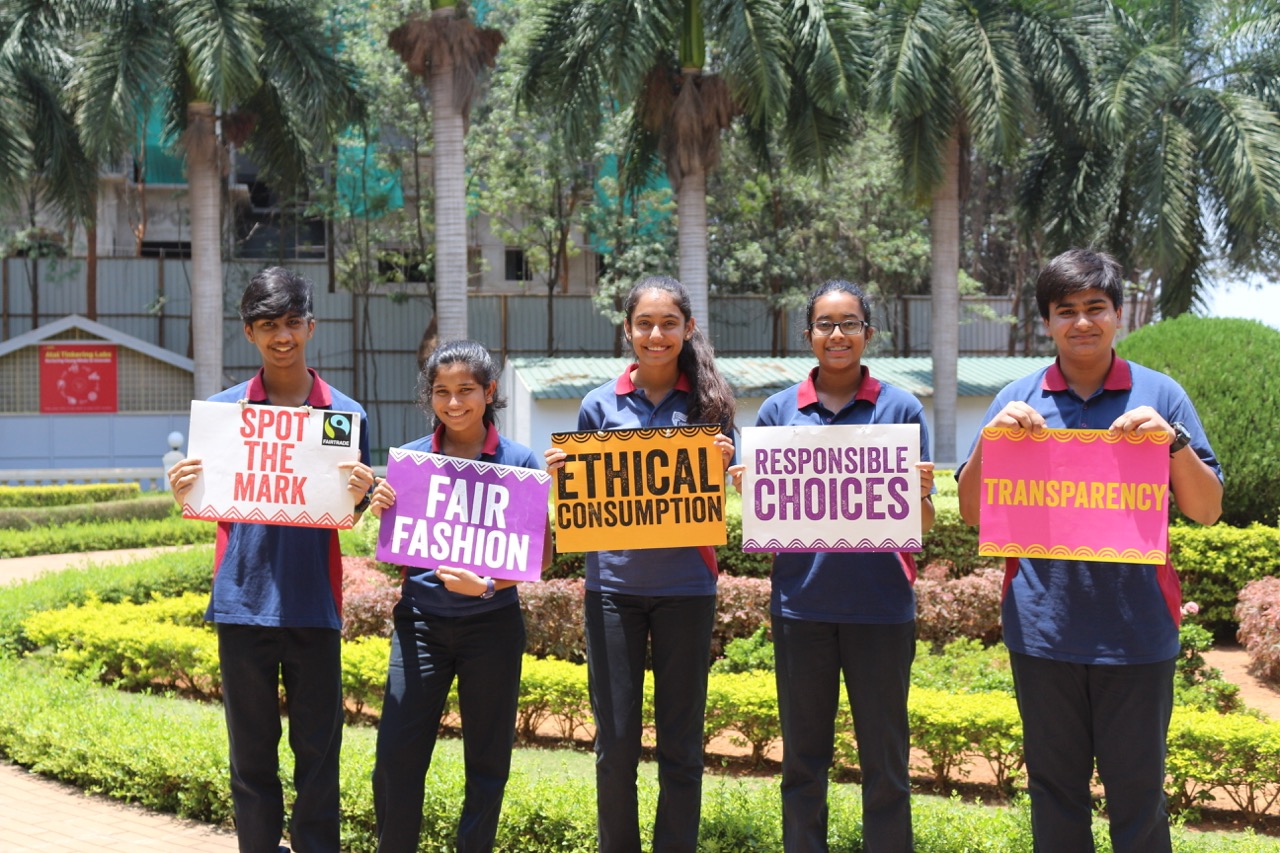
Helping Students Understand Fashion’s Impact
Many young people are unaware of how clothing is made or the resources used in the process. Schools can play an important role in building this awareness. Simple discussions about where clothes come from, how long they are worn, and what happens when they are thrown away can help students see fashion differently.
When students understand that garments require water, energy, materials, and labour, they begin to value their clothes more.
Encouraging Creative Thinking
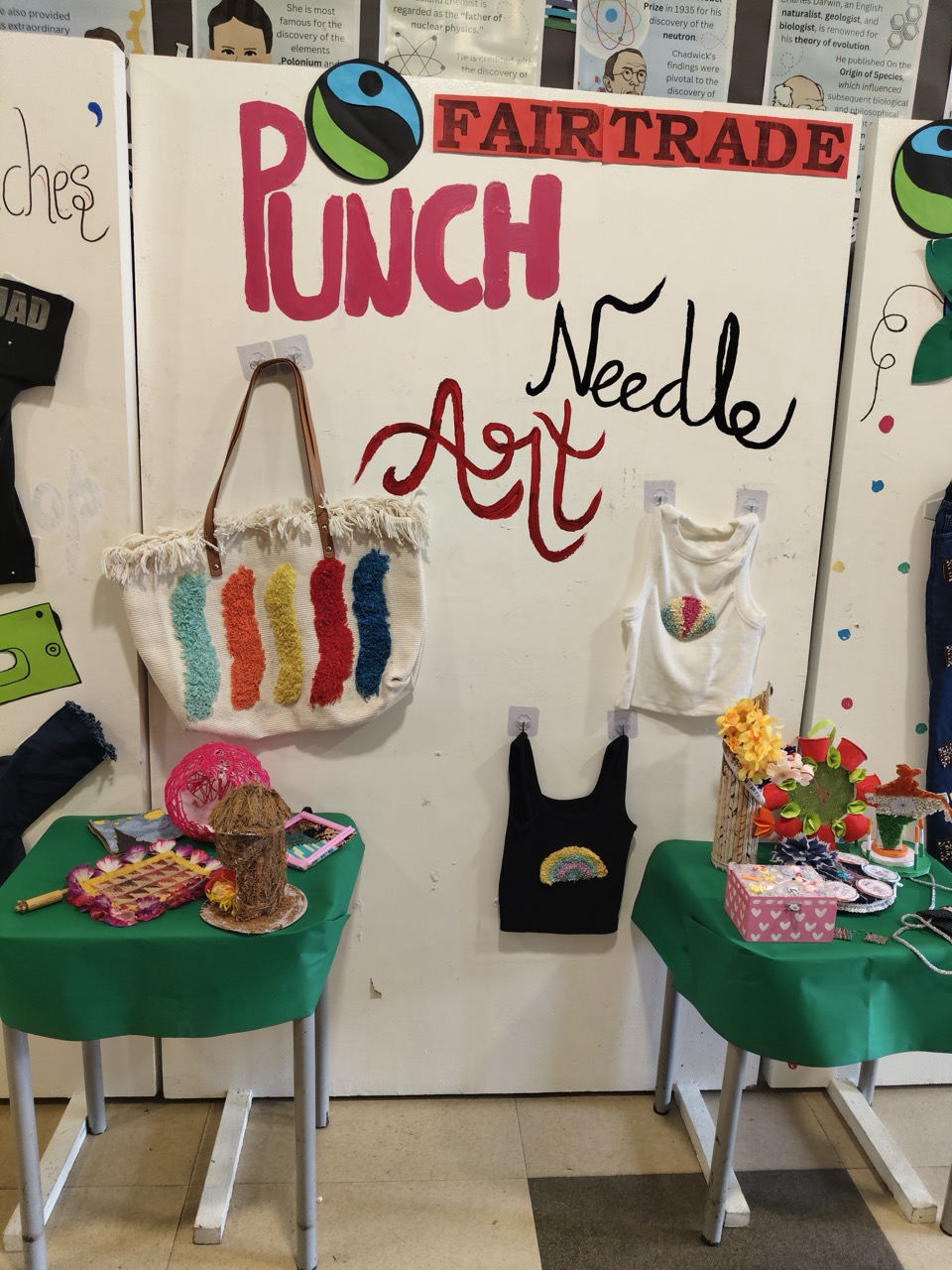
Sustainable fashion doesn’t mean limiting creativity. In fact, it often encourages it. Schools can organize activities where students redesign old clothes, repair small tears, or transform garments into something new.
A worn T-shirt can become a tote bag, a damaged pair of jeans can be patched creatively, and an old scarf can become a stylish accessory. These activities help students see clothing as something that can evolve rather than something that must be replaced.
Swap, Share, and Reuse
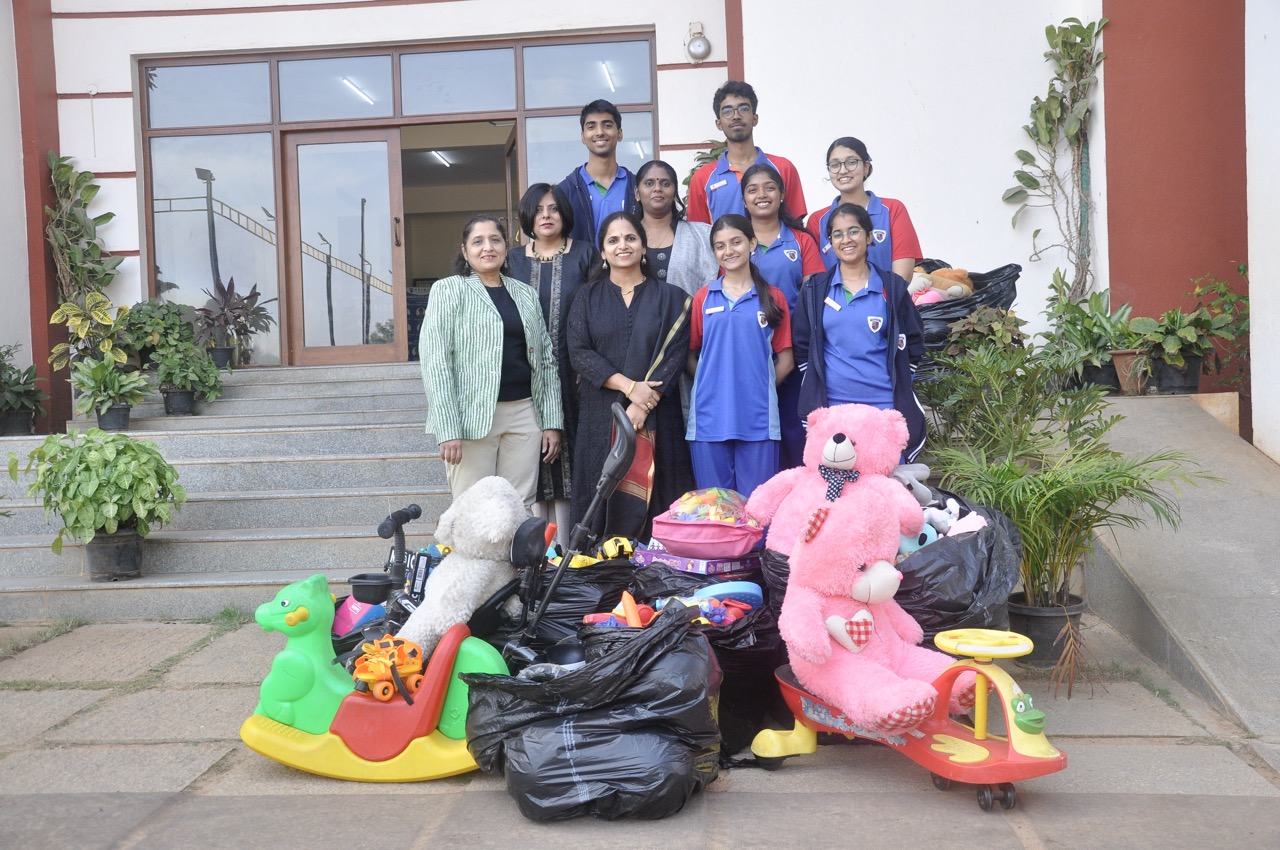
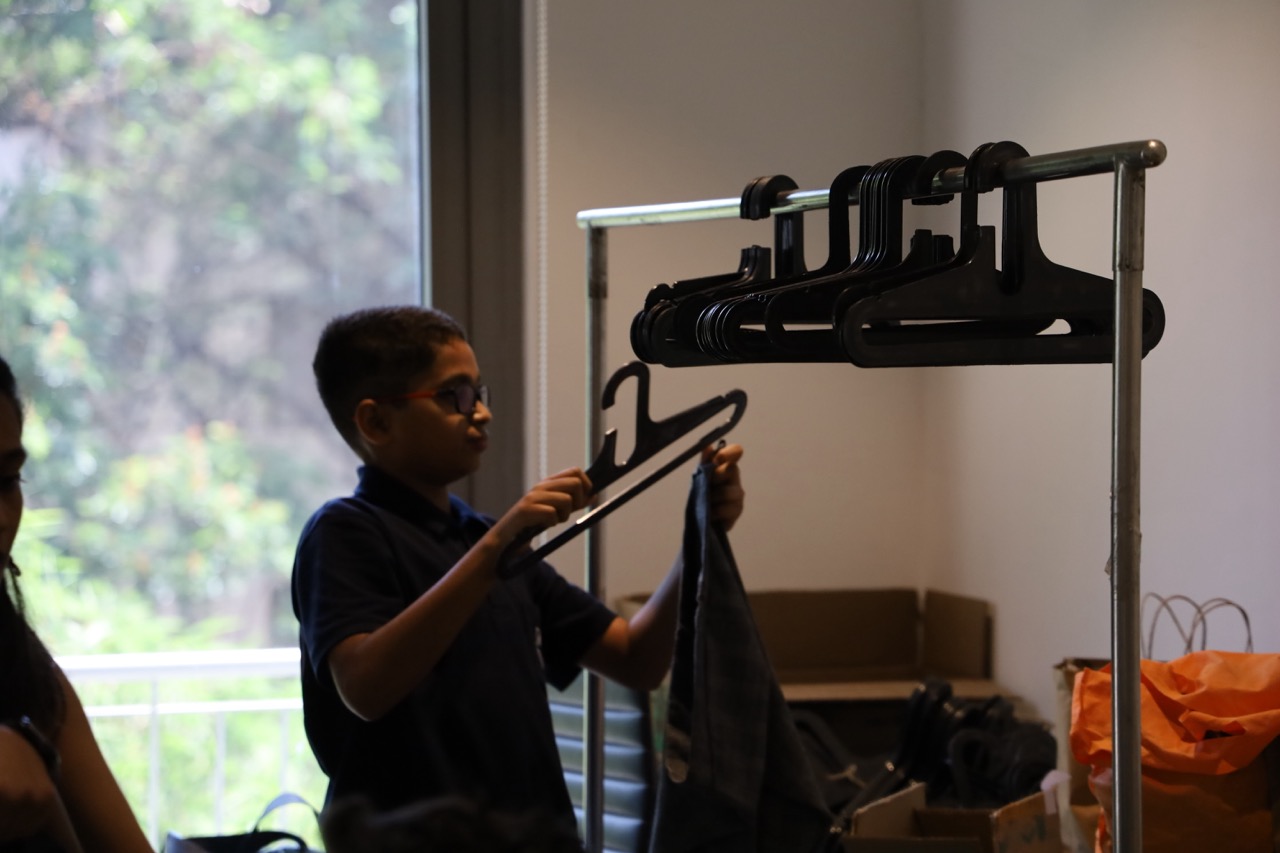
Schools can also promote clothing reuse through simple initiatives. Dress exchange programs allow students to pass down clothes that no longer fit. Clothing swap events give students the chance to exchange items they don’t wear anymore. Sharing outfits for school events or performances can reduce unnecessary purchases.
These practices not only reduce waste but also build a sense of community.
Students as Sustainability Leaders
Young people have the power to influence trends and behaviours. When students embrace sustainable fashion practices, they often inspire friends and families to do the same. Posting creative repairs, repurposed outfits, or thrift finds on social media can make sustainable fashion feel exciting and relatable.
What begins as a school activity can quickly become a wider movement.

Learning that Lasts Beyond School
The habits students develop during school years often stay with them for life. Teaching them to care for their clothes, repair small damages, and reuse garments encourages a more responsible approach to fashion. Sustainability becomes not just a concept discussed in textbooks, but a daily practice.
When students start making thoughtful choices about what they wear, the impact travels far beyond the classroom — all the way to their closets and the world around them.