
Every wardrobe tells a story—but not every story has to end in a dustbin. The moment we stop wearing a piece of clothing, it’s often labelled as “old” or “useless”. In reality, most garments still hold value, function, and potential. Learning what to do with clothes you no longer wear is an essential step toward more conscious fashion habits.
Instead of asking “How do I get rid of this?”, the better question is “What’s the most responsible next life for this?”
Start With Why You Stopped Wearing It
Before deciding what to do next, pause and identify the reason. Is it damaged, ill-fitting, boring, or just forgotten? Many clothes leave our rotation not because they’re worn out, but because our habits changed. This clarity helps you choose the right path forward.
Give It Another Chance in Your Closet
Sometimes all a garment needs is a small shift—hemming the length, altering the fit, or styling it differently. Pairing an old top with new accessories or layering it creatively can make it feel new again. Re-engaging with what you already own is one of the most underrated sustainable fashion actions.
Pass It On, Not Down
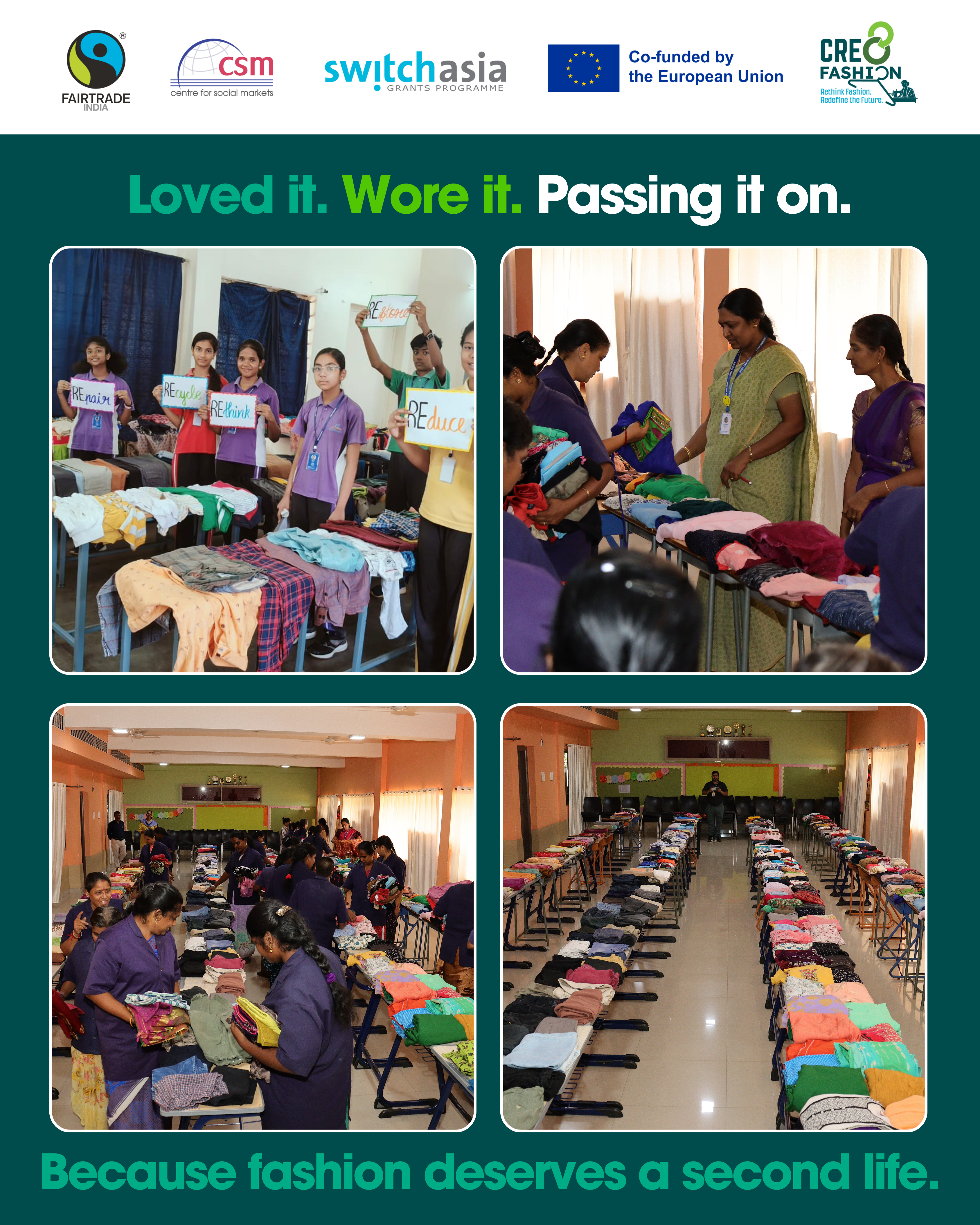
If a piece no longer suits you but is in good condition, let it continue its journey. Gifting clothes to friends, participating in swap circles, or donating thoughtfully ensures garments stay in use instead of being discarded. Passing clothes on with intention is far more impactful than clearing space mindlessly.
Turn Repair Into a Habit
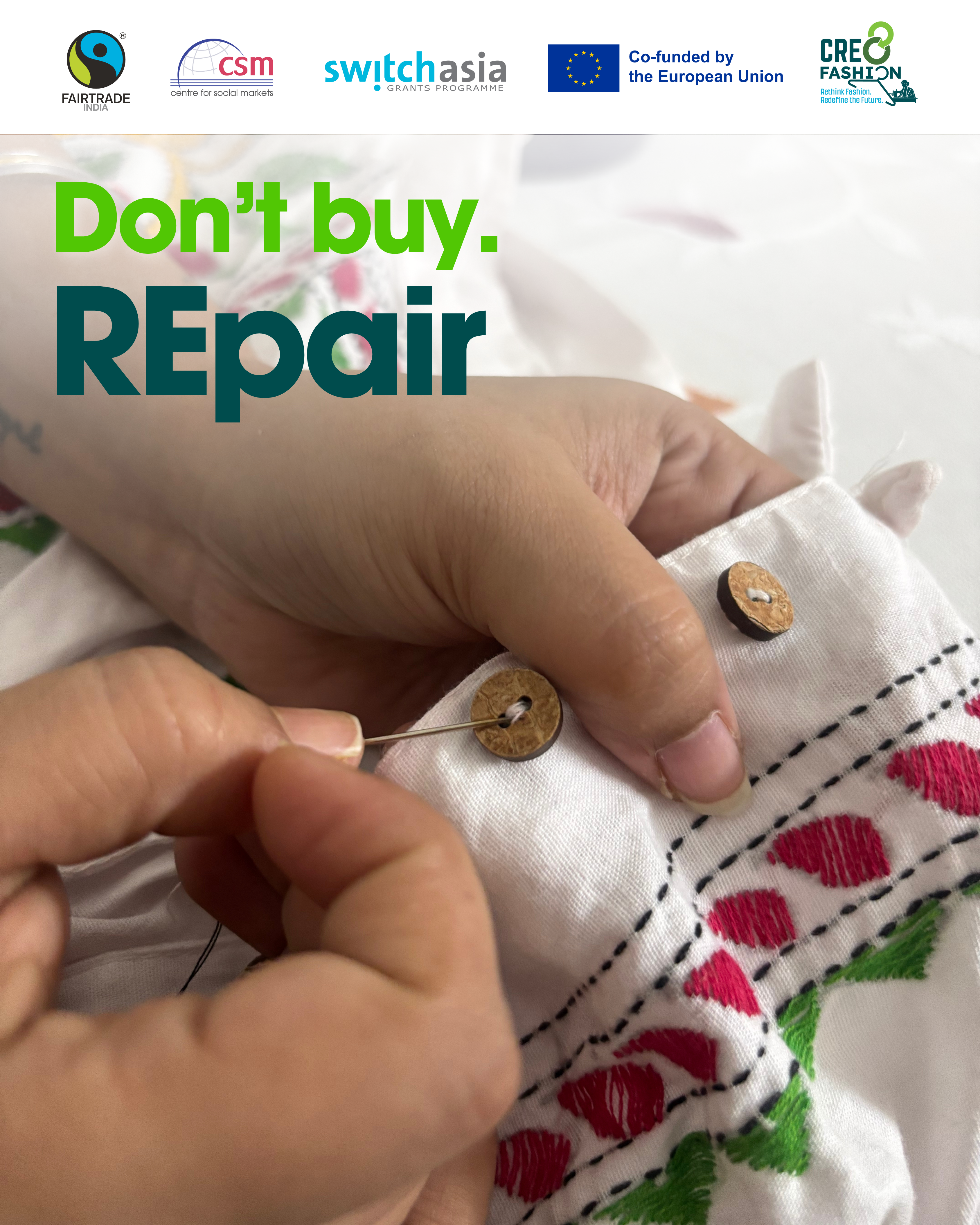
Minor damage is not failure—it’s normal wear. Choosing to fix instead of replace shifts us away from the disposable mindset created by fast fashion. Repairing clothes also reconnects us with their value, reminding us that garments are made, not magically produced.
Reimagine Its Purpose
When clothes can’t be worn as they are, creativity steps in. Fabric from old garments can become home essentials, accessories, or utility items. Repurposing doesn’t require expert skills—just a willingness to see potential beyond the original use.
Save the Sentimental Pieces
Some clothes carry memories, heritage, or emotional value. Instead of hiding them away or discarding them, consider restoring or preserving them. These pieces often become the most meaningful parts of a wardrobe, connecting past and present.
Recycle Only When There’s No Other Option
Textile recycling is important—but it’s not a shortcut. It should be the final step after reuse, repair, and repurposing. When done responsibly, recycling helps recover materials and prevents textiles from ending up in landfills.
Letting Go, Consciously
Being a conscious consumer isn’t about holding on to everything—it’s about letting go responsibly. When clothes move through multiple lives, they reduce waste, save resources, and respect the labour behind them.
The next time you declutter, remember: clothes don’t lose their worth just because you’ve stopped wearing them. Their journey can continue—if you let it.