
Many of us have clothes in our wardrobes that we rarely wear but cannot bring ourselves to throw away. A beautiful saree gifted at a wedding, a silk dupatta from a family celebration, or a kurta that no longer fits — these pieces often carry memories that make them too special to discard.
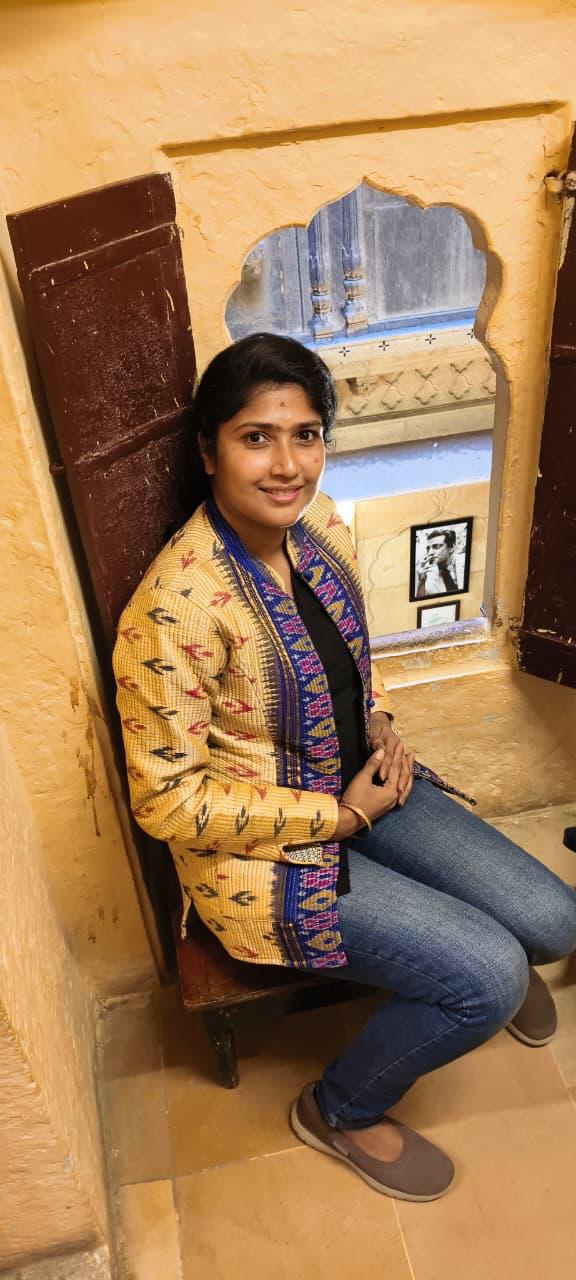
Instead of letting them sit unused in a cupboard, there is another option: REpurposing them into something new. Repurposing traditional clothes is one of the most creative ways to give garments a second life. It keeps the fabric in use, reduces textile waste, and turns old pieces into fresh, stylish additions to your wardrobe.
Why Traditional Clothes Are Perfect for Repurposing?
Traditional garments like sarees, dupattas, and lehengas are often made with high-quality fabrics such as cotton, silk, or handwoven textiles. These materials are durable and beautifully designed, which makes them perfect for transformation.
Unlike many fast fashion items, traditional clothes are often worn only a few times. A saree may stay folded for years after a single event, even though the fabric itself is still in excellent condition. Repurposing allows these garments to be worn again in everyday life.
Turning a Saree into a Stylish Skirt
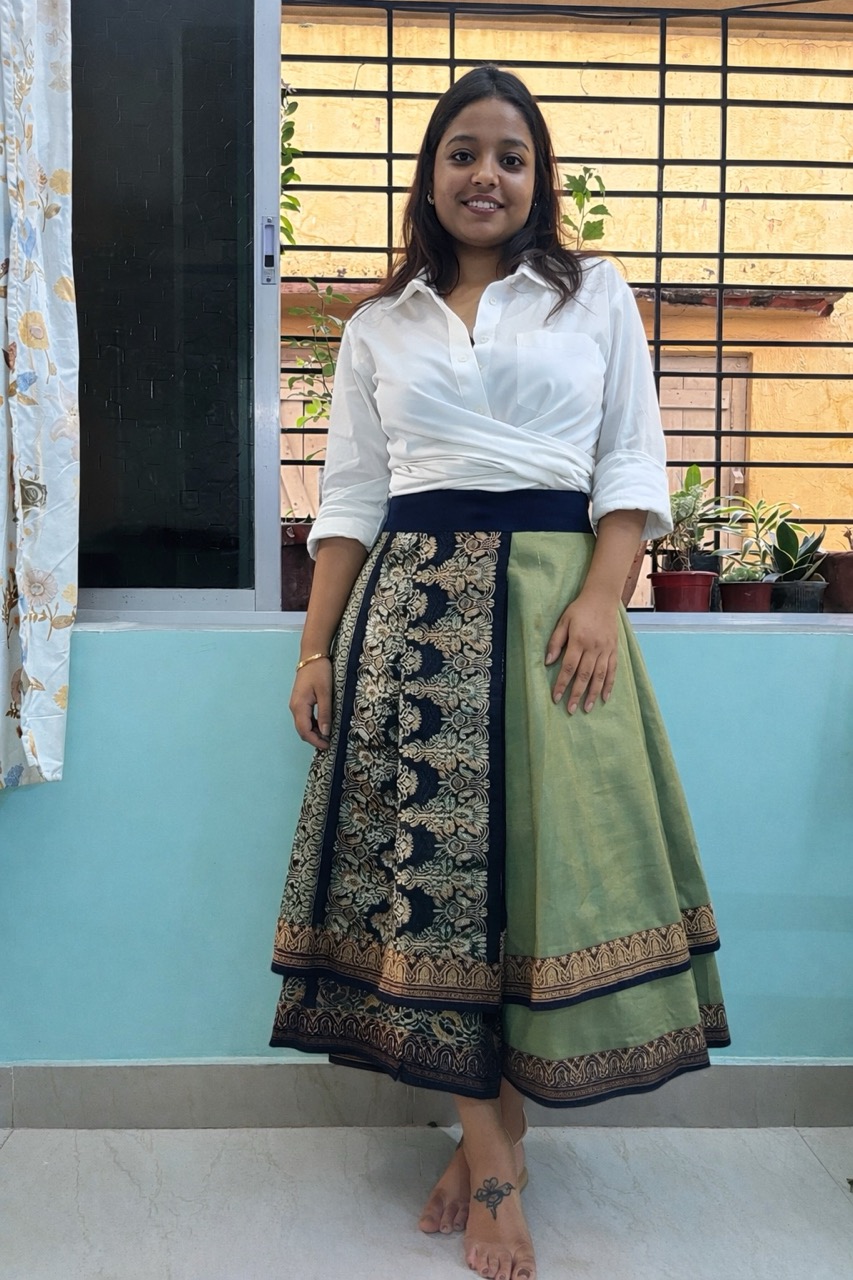
One of the easiest and most popular transformations is converting a saree into a skirt. A saree provides several metres of fabric, which is perfect for creating flowing skirts or wrap-around styles. The borders and patterns of the saree can be used as design highlights, giving the skirt a unique and elegant look.
A festive silk saree can become a statement skirt for special occasions, while a cotton saree can turn into a comfortable everyday skirt. This simple transformation helps keep the beauty of the original garment alive while making it more wearable.
Creating Dresses and Kurtas
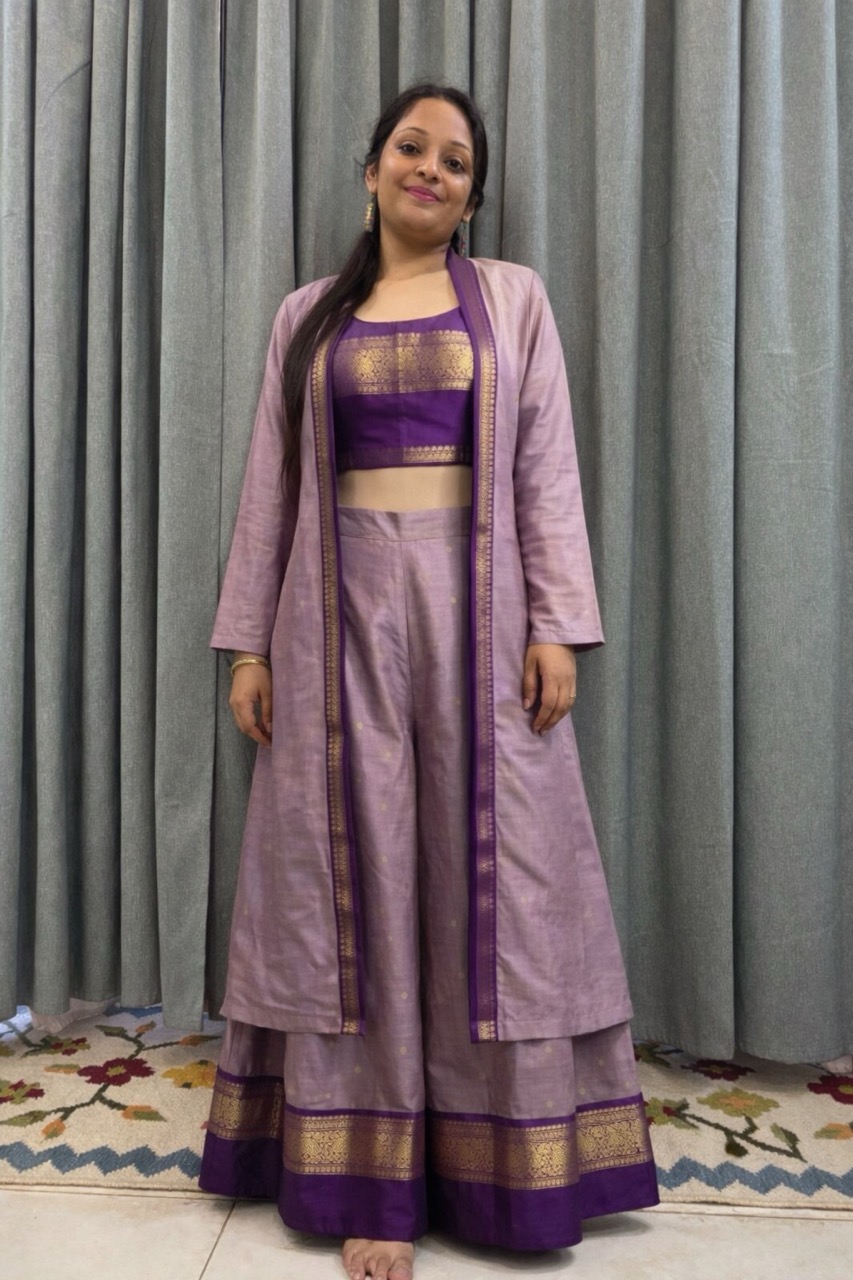
Old sarees and dupattas can also be turned into dresses, kurtas, or tops. Printed cotton sarees work beautifully as summer dresses or casual kurtas. Their lightweight fabric makes them comfortable and breathable. Dupattas with intricate embroidery or patterns can be used as statement panels or sleeves in new outfits.
By mixing traditional fabrics with modern designs, you create clothing that feels both timeless and contemporary.
Accessories from Fabric Scraps
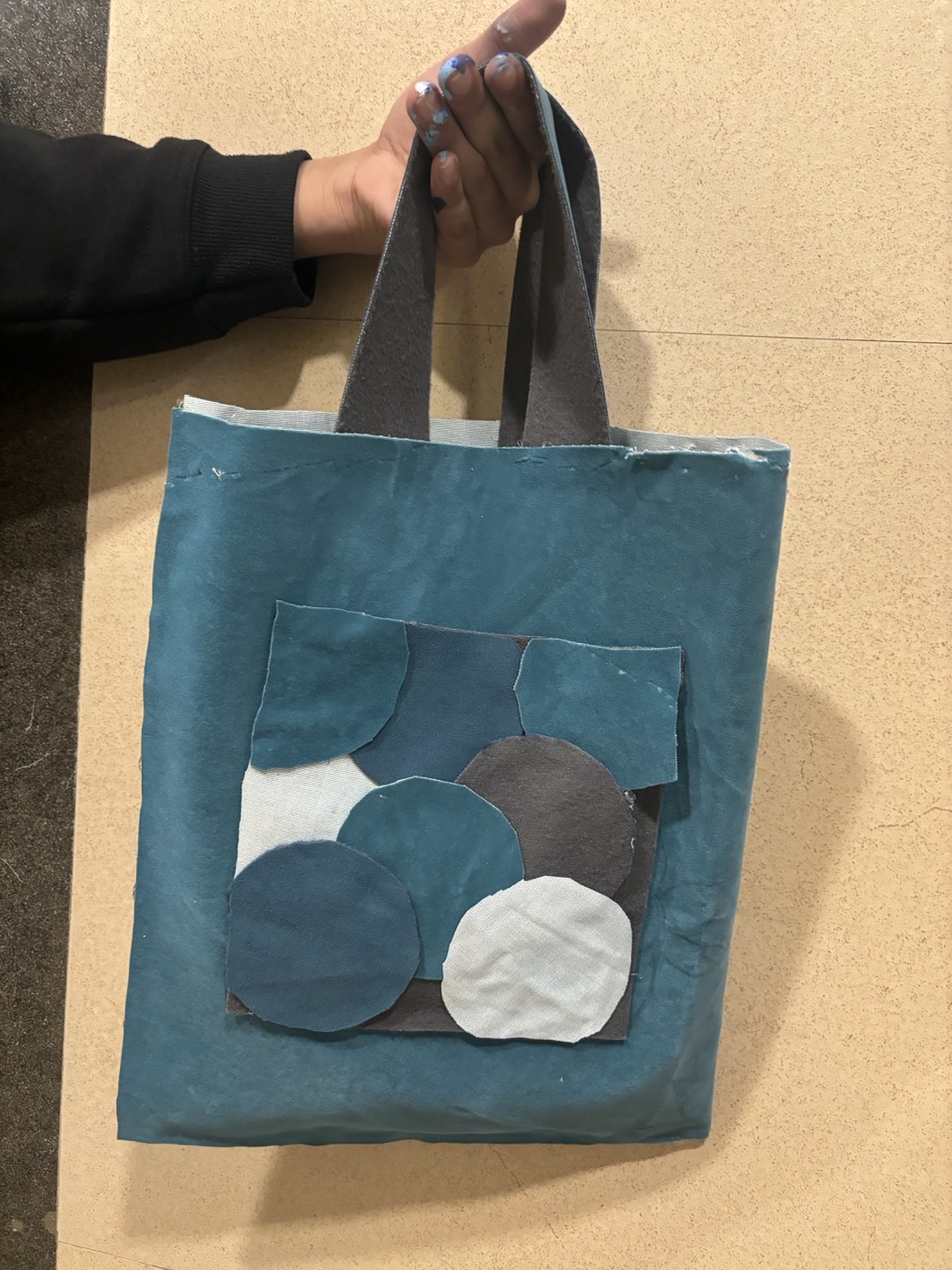
Even the smallest pieces of fabric from traditional garments can be repurposed. Leftover material can easily become scrunchies, scarves, tote bags, headbands, or small pouches. These accessories add colour and personality to everyday outfits while ensuring that no fabric goes to waste.
Using scraps creatively is a simple way to practice sustainable fashion at home.
Keeping Memories Alive
REpurposing traditional clothes is not only about sustainability — it is also about preserving memories. A mother’s saree turned into a daughter’s skirt, or a family dupatta transformed into a modern top, carries a story across generations.
These garments become more personal and meaningful than anything bought from a store. They connect the past with the present.
Fashion That Lasts Longer
In a world of fast fashion, repurposing encourages us to slow down and rethink how we use our clothes. Instead of discarding garments when trends change, we can reinvent them. A saree does not have to remain only a saree. With a little creativity, it can become a skirt, a dress, a bag, or something entirely new — proving that fashion can evolve without creating waste.
Sometimes, the most stylish outfit in your wardrobe is one that already existed… just in a different form.