
A trendy shirt for the price of a coffee. A dress worn once and replaced by the next trend. Fast fashion has made clothing cheaper and more accessible than ever before. But behind those low prices lies a story that most clothing tags don’t reveal. The real cost of fast fashion goes far beyond what we pay at the checkout counter. It includes the environmental impact, the resources used to produce garments, and the growing problem of textile waste.
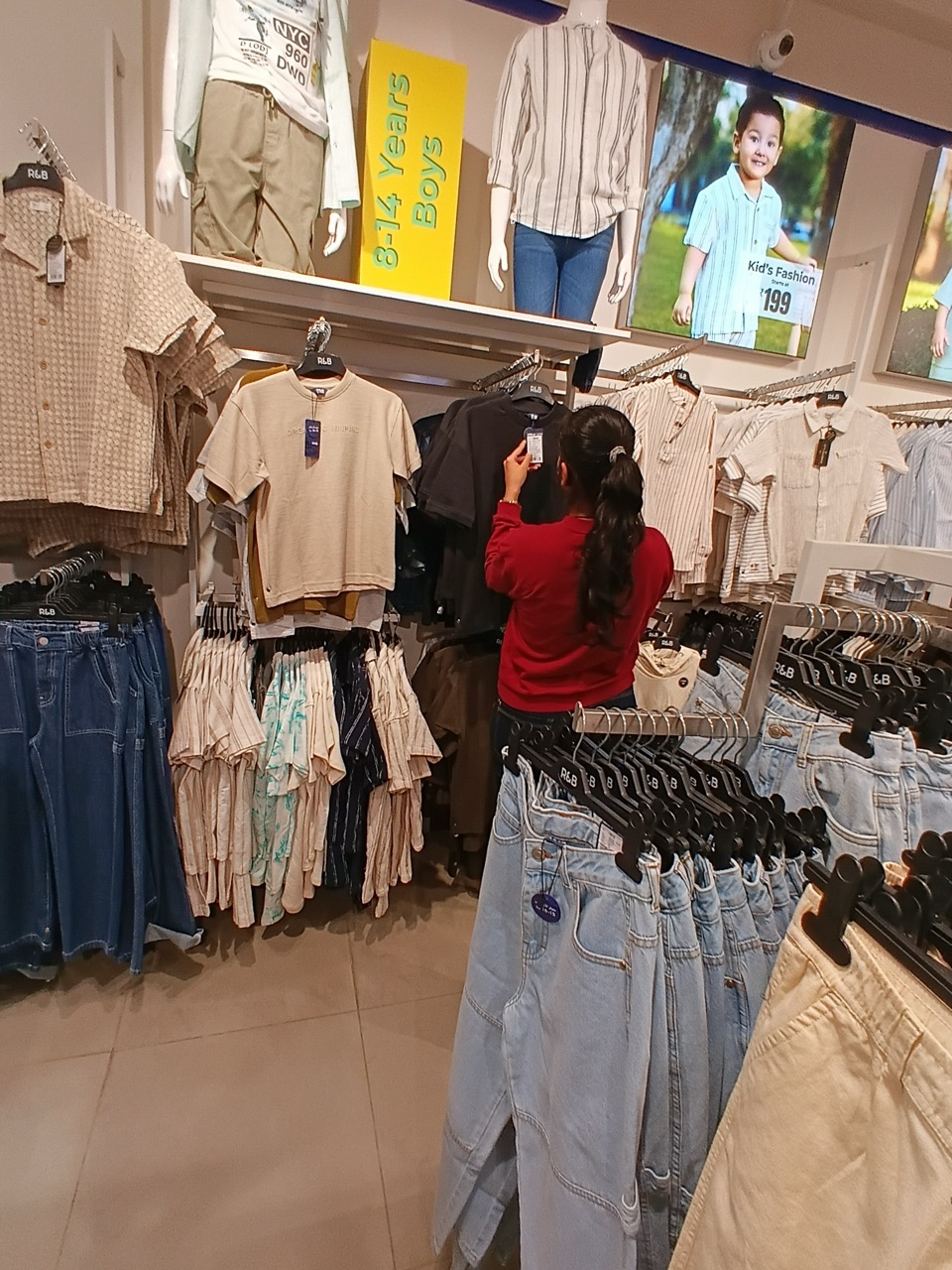
The Price the Planet Pays
Clothing production requires enormous amounts of natural resources. Cotton farming uses large quantities of water, while dyeing and processing fabrics often involve chemicals that can affect soil and water systems. When clothes are produced quickly and in large volumes, these resources are consumed at an even faster pace.
The result is a system where garments are made to be worn briefly and then discarded, creating huge amounts of textile waste. Many discarded clothes end up in landfills, where synthetic fabrics can take decades to break down.
The Problem with “Wear Once” Fashion
Fast fashion thrives on constant change. New collections appear frequently, encouraging people to buy more clothes than they actually need. But many of these garments are worn only a few times before being forgotten in wardrobes or thrown away. Sometimes it’s because trends change quickly, or because the quality of the garment doesn’t last long.
This “wear once and discard” cycle is one of the biggest contributors to fashion waste today.
The Hidden Journey of a Garment
A single piece of clothing travels a long journey before reaching a store. It begins with raw materials, then moves through spinning, weaving, dyeing, stitching, packaging, and shipping. Each stage requires energy, water, and labour.
When clothes are thrown away quickly, all of those resources are wasted too. Understanding this journey helps us see that clothes are not just products — they are the result of time, effort, and natural resources.
Choosing Fashion More Thoughtfully
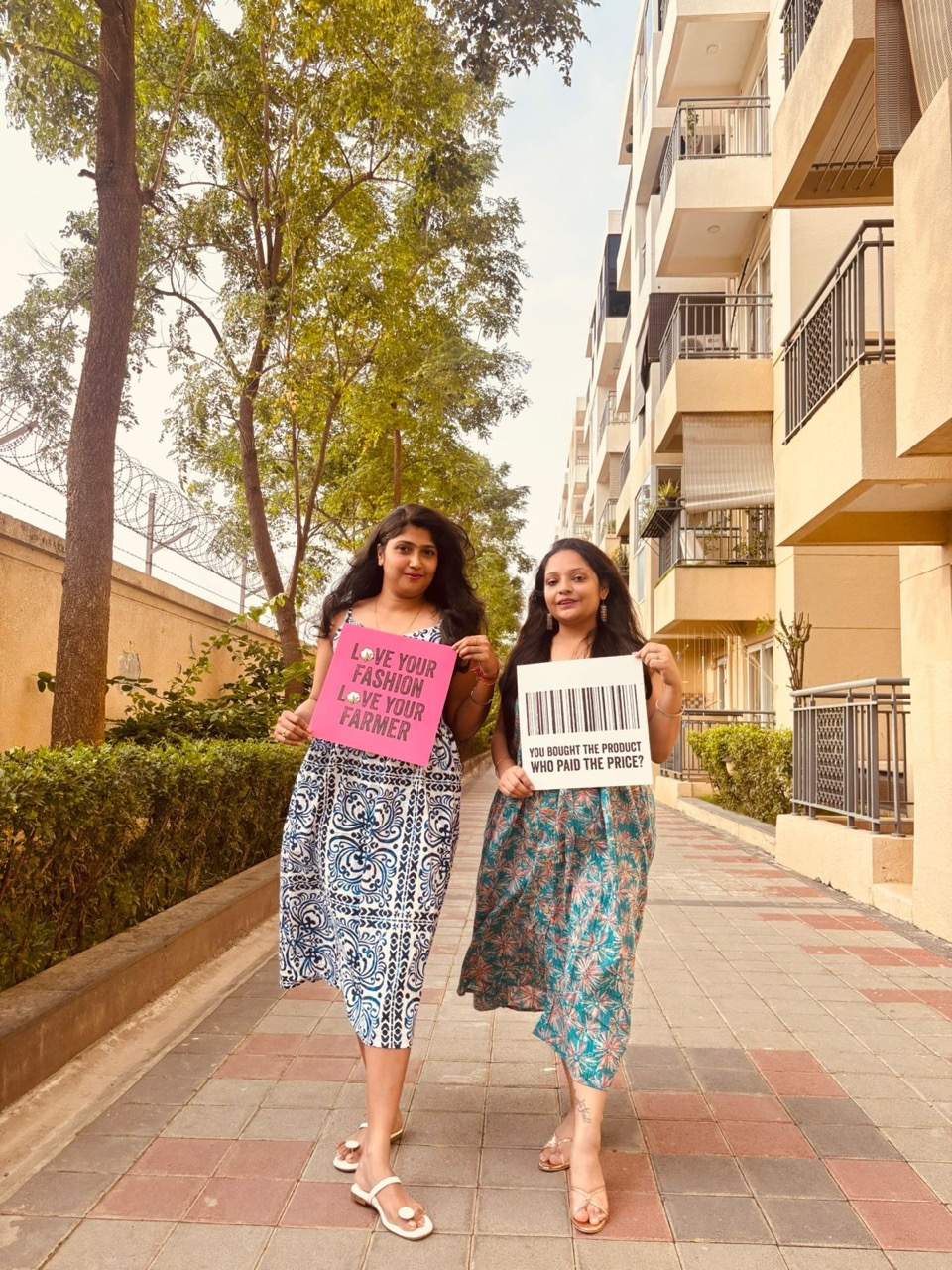
Breaking the fast fashion cycle doesn’t require giving up style. It simply requires making more thoughtful choices. Wearing clothes for longer, repairing small damages, swapping with friends, or buying second-hand are all ways to extend the life of garments.
Even small changes in how we treat our clothes can reduce waste significantly. When we start valuing what we wear, fashion becomes less about quantity and more about quality.
Looking Beyond the Price Tag
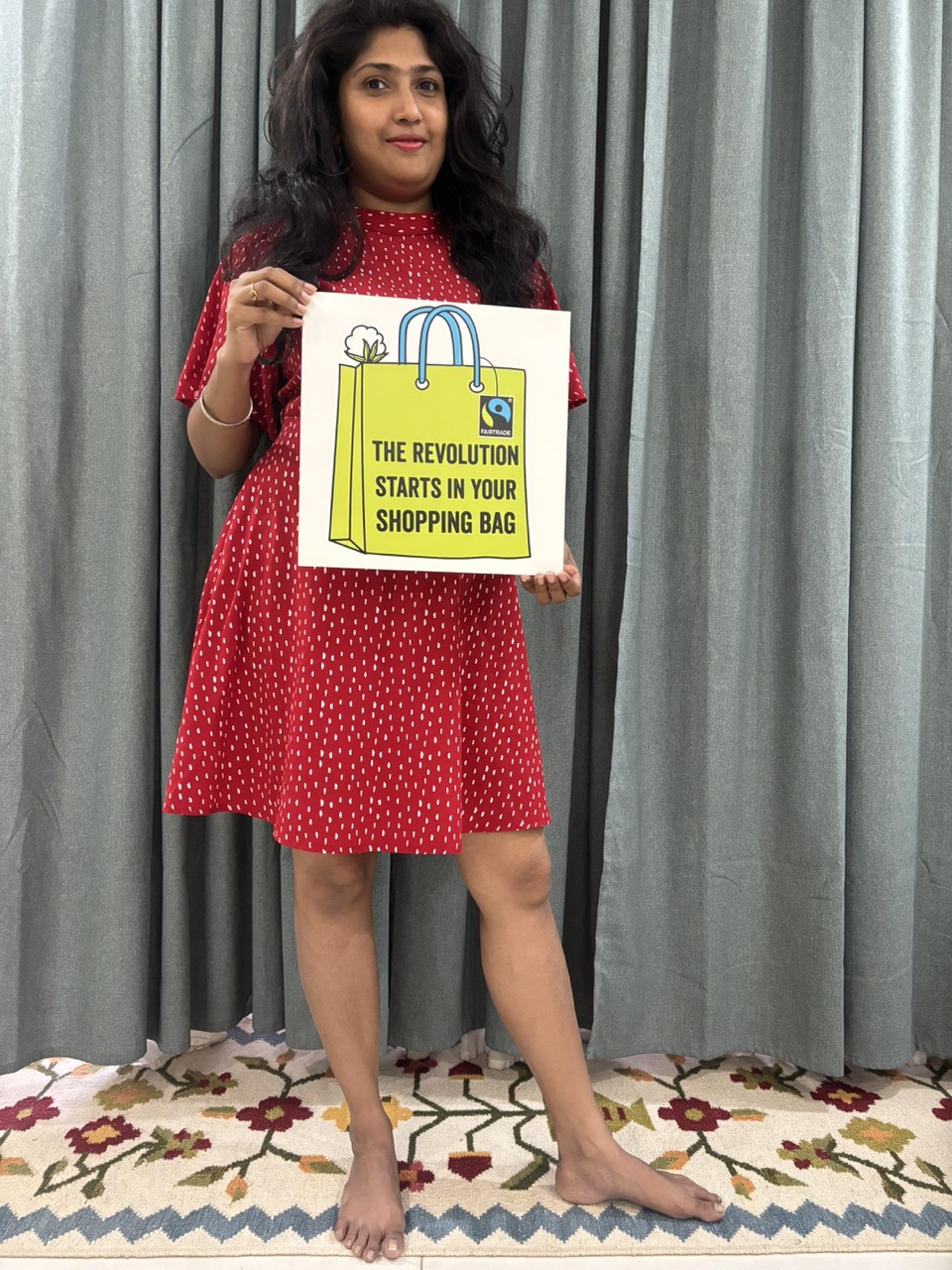
The next time you pick up a piece of clothing, it’s worth asking a simple question: how long will I wear this? The true cost of fashion is not just what we pay for it, but what the planet pays when clothes are produced and discarded too quickly.
By choosing to buy less, wear longer, and care for our clothes, we can help shift fashion away from a throwaway culture. Sometimes the most sustainable fashion choice is not buying something new — it’s appreciating the clothes we already have.