
Clothes don’t always wear out. Sometimes they just need a little help. A missing button, a loose hem, or a small tear can make us stop wearing a garment we actually love. In today’s fast fashion culture, the easiest option often seems to be buying something new. But repairing clothes is simpler than most people think and you don’t need a sewing machine or expert skills to do it.
With just a needle, thread, and a few minutes, you can extend the life of your clothes and reduce fashion waste. Here are five simple clothing repairs anyone can learn.
1. Sewing a Missing Button
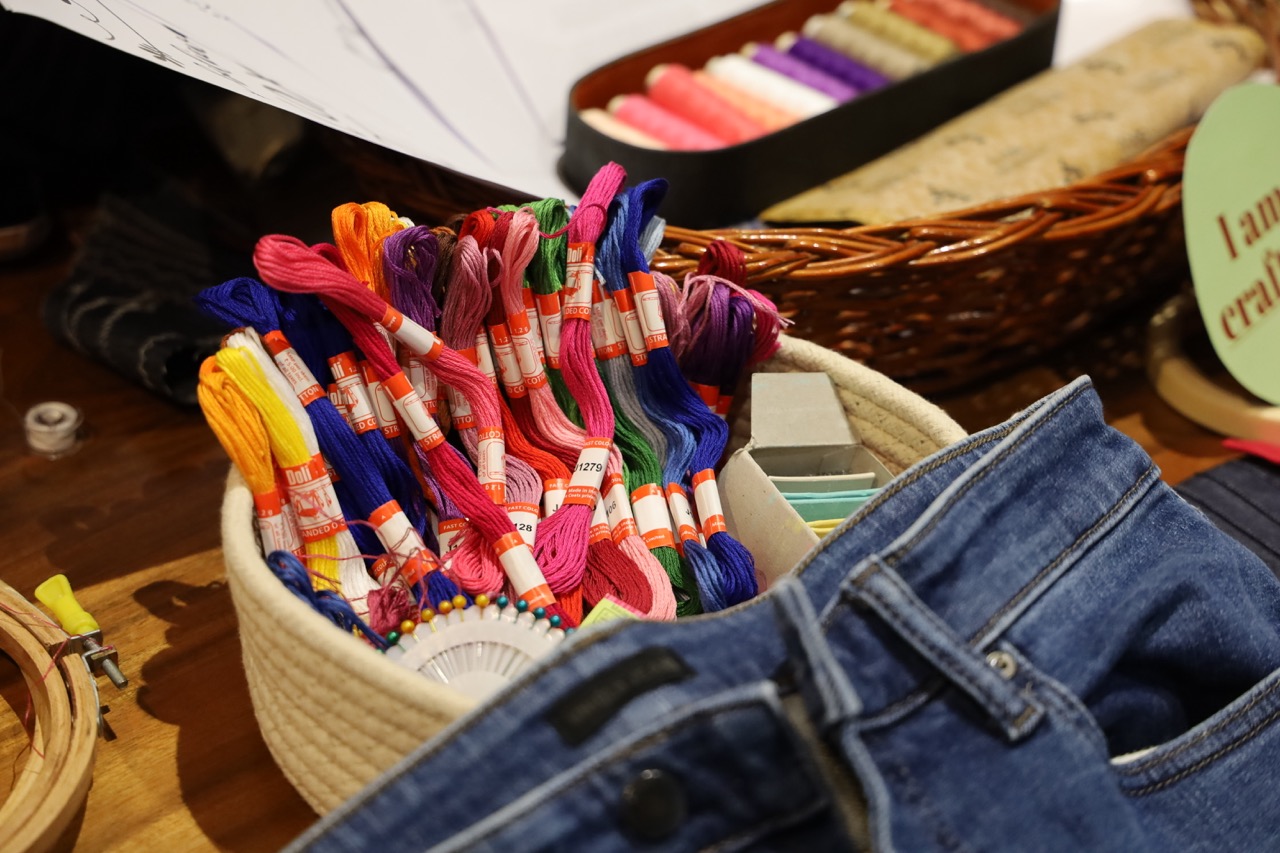
One of the most common clothing problems is also the easiest to fix. Buttons on shirts, jackets, and trousers can fall off after repeated washing and use. Instead of abandoning the garment, all you need is a needle, thread, and the replacement button (many clothes come with an extra one stitched inside). Thread the needle, pass it through the button holes several times, tie a secure knot, and the garment is ready to wear again. Learning to sew a button takes less than five minutes, but it can save many of your favourite clothes.
2. Fixing a Small Tear
Small tears in fabric can happen anywhere — on sleeves, pockets, or seams. If caught early, they are easy to repair before they grow bigger. Use a simple hand stitch to close the tear from the inside of the fabric. Keep the stitches small and close together so the repair holds well. Some people even turn this repair into a creative moment by adding colourful thread or decorative stitching. This approach, often called visible mending, turns a repair into a stylish detail.
3. Repairing a Loose Hem
Loose hems are common on trousers, skirts, and dresses. After several washes, the thread holding the hem may come undone, leaving the edge hanging. Instead of ignoring it, you can fix it quickly with a basic stitch. Fold the hem back to its original position and stitch it along the edge using small, neat stitches. The repair is barely visible, and your garment instantly looks polished again. This simple fix can extend the life of school uniforms, office wear, and everyday clothing.
4. Patching Worn-Out Areas
Areas like the knees of jeans or elbows of jackets often wear out first. Instead of throwing the garment away, you can reinforce it with a patch. A patch can be placed on the inside for a subtle repair or on the outside for a bold look. Denim patches, fabric scraps, or even pieces from old clothes can work perfectly. Many people are now turning patches into a fashion statement, using bright colours, patterns, or embroidery to give their clothes a new personality.
5. Reinforcing Weak Seams
Sometimes clothes start to come apart along the seams, especially under the arms or along pockets. Before the seam fully opens, a quick hand stitch can strengthen it. Simply follow the original seam line and add a few strong stitches to secure the fabric again. It’s a quick repair that prevents bigger damage later.
Small Skills, Big Impact
Learning these simple repairs doesn’t just save clothes, but it changes the way we think about fashion. When we fix garments instead of replacing them, we reduce waste, save money, and make our wardrobes last longer.
Repairing clothes also brings a sense of creativity and connection to what we wear. Each stitch becomes part of the garment’s story. In a world of fast fashion, knowing how to repair is a powerful skill. Sometimes, the most sustainable fashion choice is not buying something new — it’s simply fixing what you already have.