
Fashion trends change quickly, but our wardrobes don’t have to. In a world where fast fashion encourages constant buying, one simple idea is quietly transforming the way people think about clothes — reuse.
REusing clothes means keeping garments in use for as long as possible instead of replacing them with something new. Whether it’s swapping outfits with friends, thrifting second-hand pieces, or passing clothes through generations, reuse gives fashion a longer life while reducing waste. What’s the best part? It can make your wardrobe more interesting, affordable, and personal.
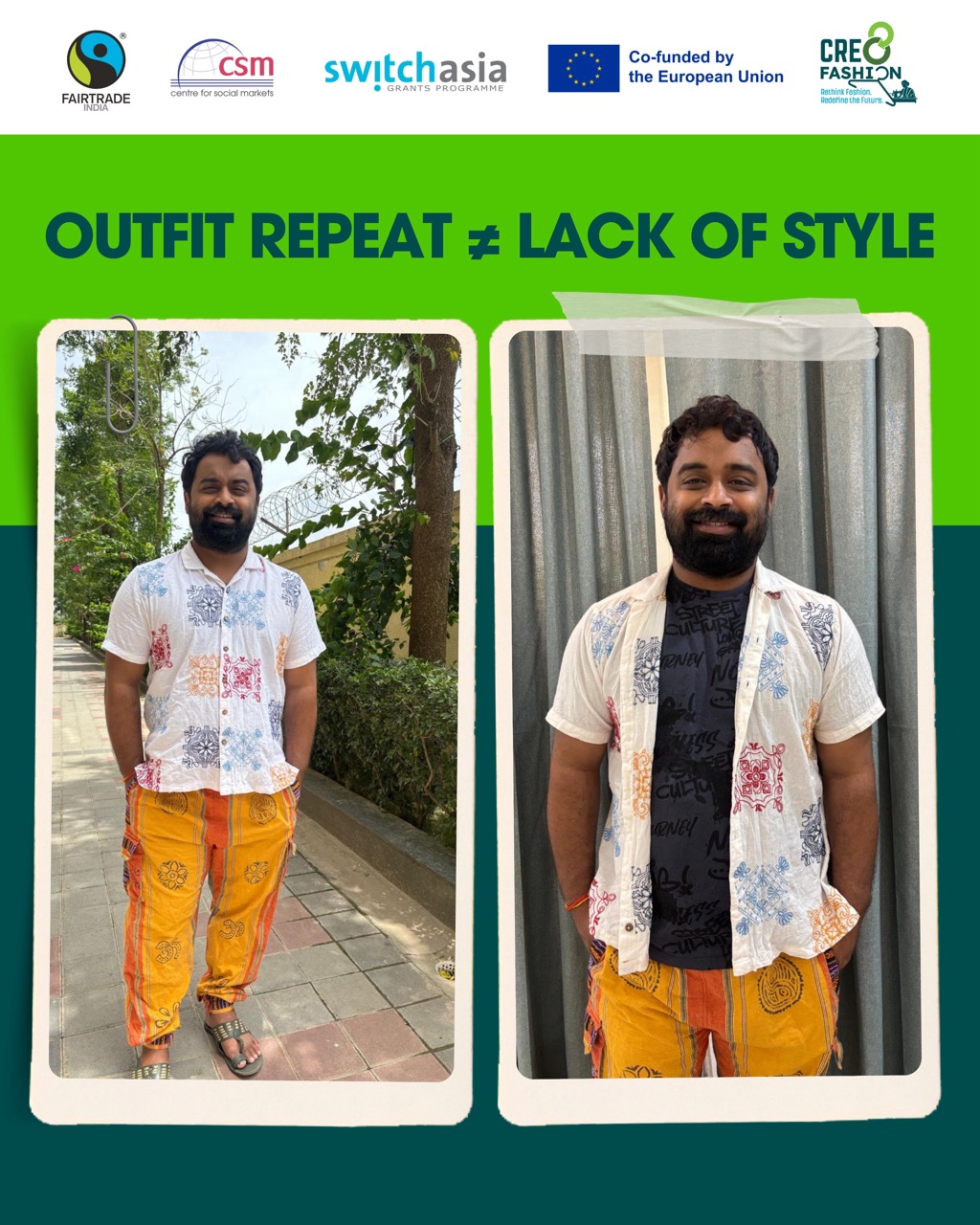
Why REuse Matters in Fashion?

Many clothes are worn only a few times before they are forgotten in wardrobes or thrown away. Yet most of these garments are still perfectly usable. By reusing clothes, we reduce the demand for new production, save resources, and keep textiles out of landfills. It’s one of the easiest ways to practice sustainable fashion without changing your personal style. REuse doesn’t mean sacrificing creativity. In fact, it often makes fashion more fun.
Closet Swap Parties: The Fun Way to Refresh Your Wardrobe
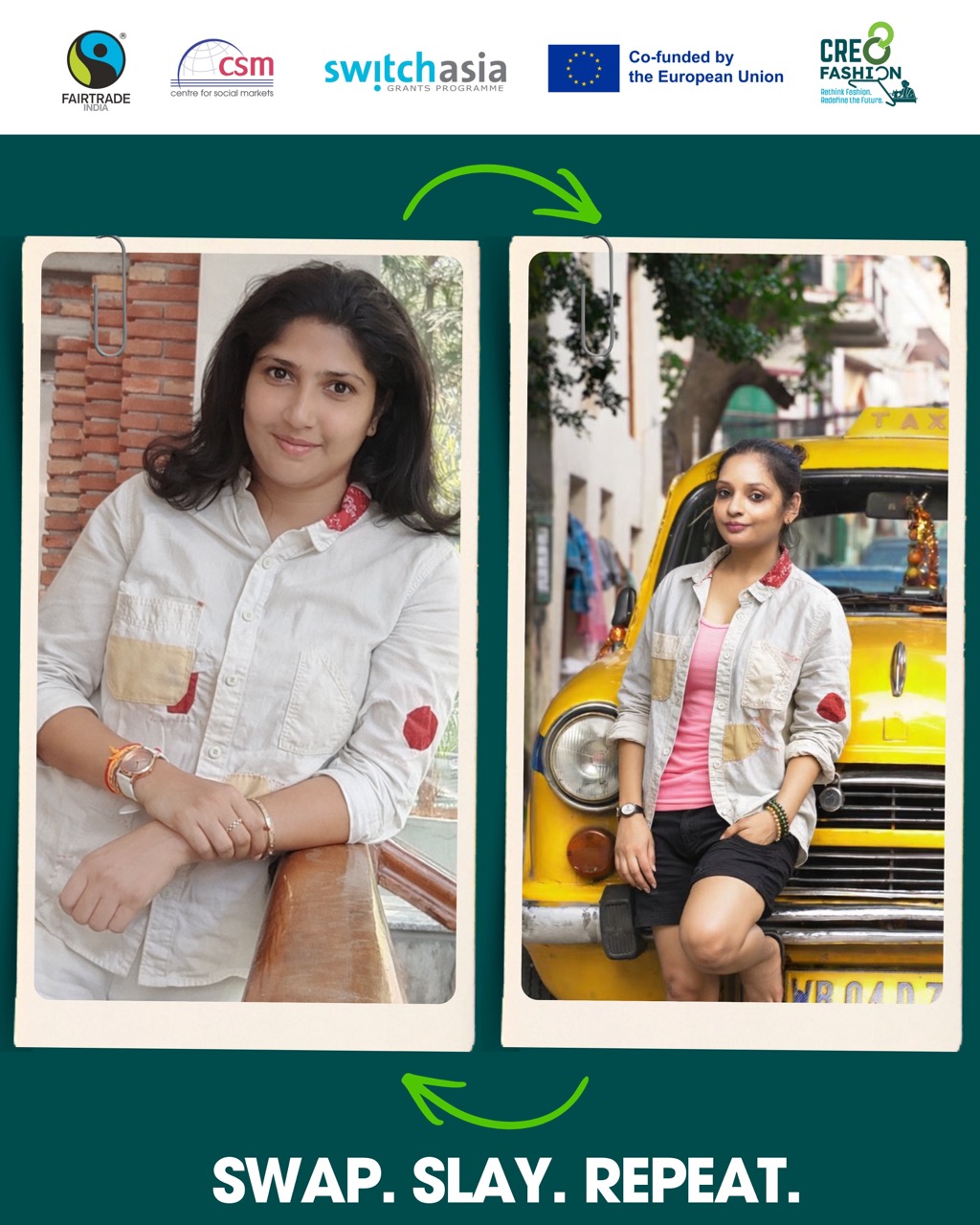
One of the easiest ways to reuse clothes is through swapping. A closet swap party is exactly what it sounds like — friends gather with clothes they no longer wear and exchange them with each other. What may feel boring in one wardrobe can become a brand-new favourite in someone else’s.
Swap parties are also social and exciting. Instead of shopping in stores, you are discovering hidden treasures from your friends’ closets. With just a small group of people, you can refresh your wardrobe without spending money or buying anything new.
Thrifting: Finding Style with a Story
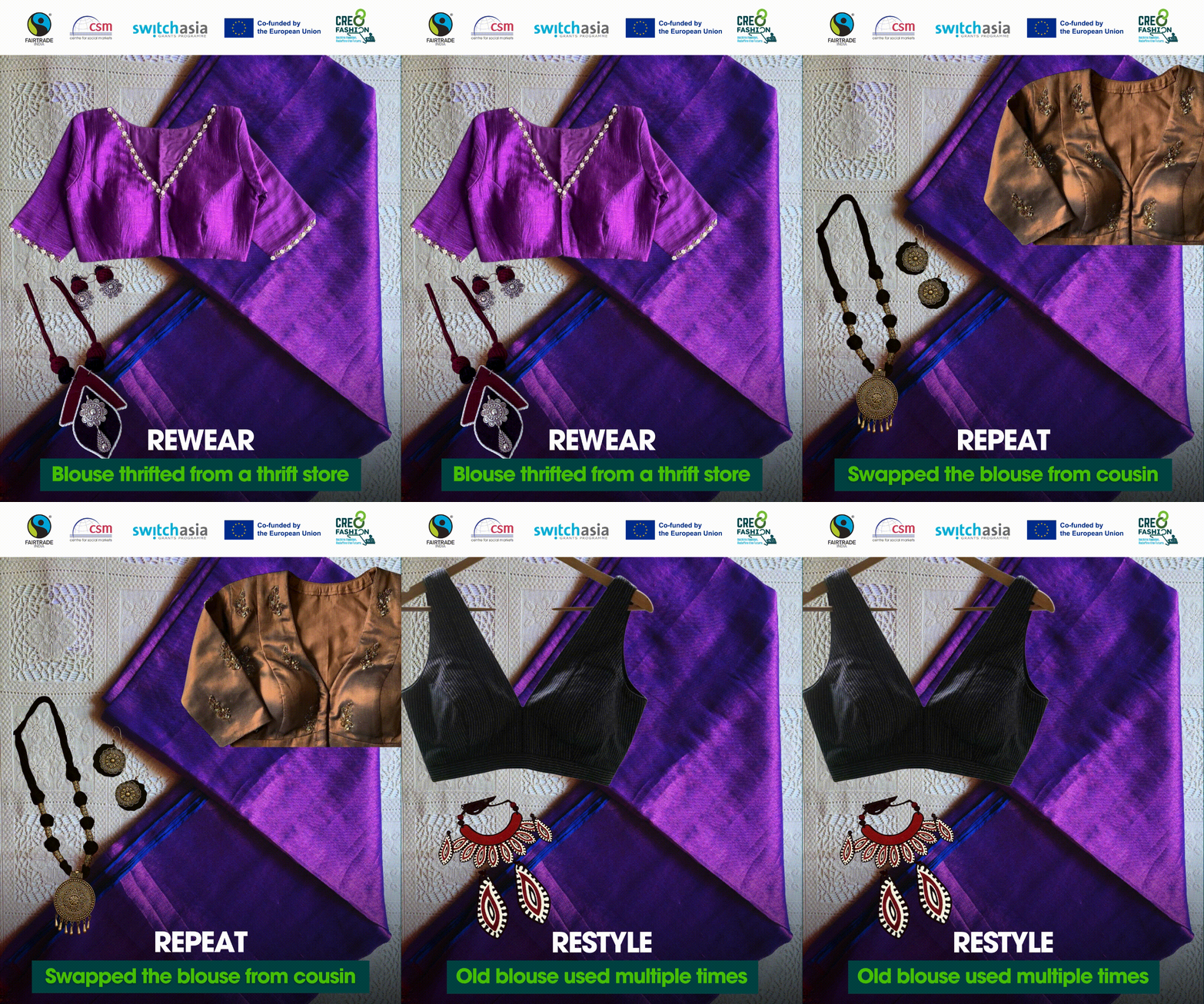
Second-hand shopping, often called thrifting, is becoming increasingly popular among young people. Thrift stores, vintage markets, and online resale platforms offer clothing that already exists but still has plenty of life left. These pieces often come with unique patterns, styles, and fabrics that are difficult to find in fast fashion stores.
Thrifting encourages creativity because it allows you to experiment with styles that are different from mainstream trends. Instead of wearing the same designs as everyone else, you can create a wardrobe that truly reflects your personality. And at the same time, you are giving clothes a second life.
Passing Fashion Forward
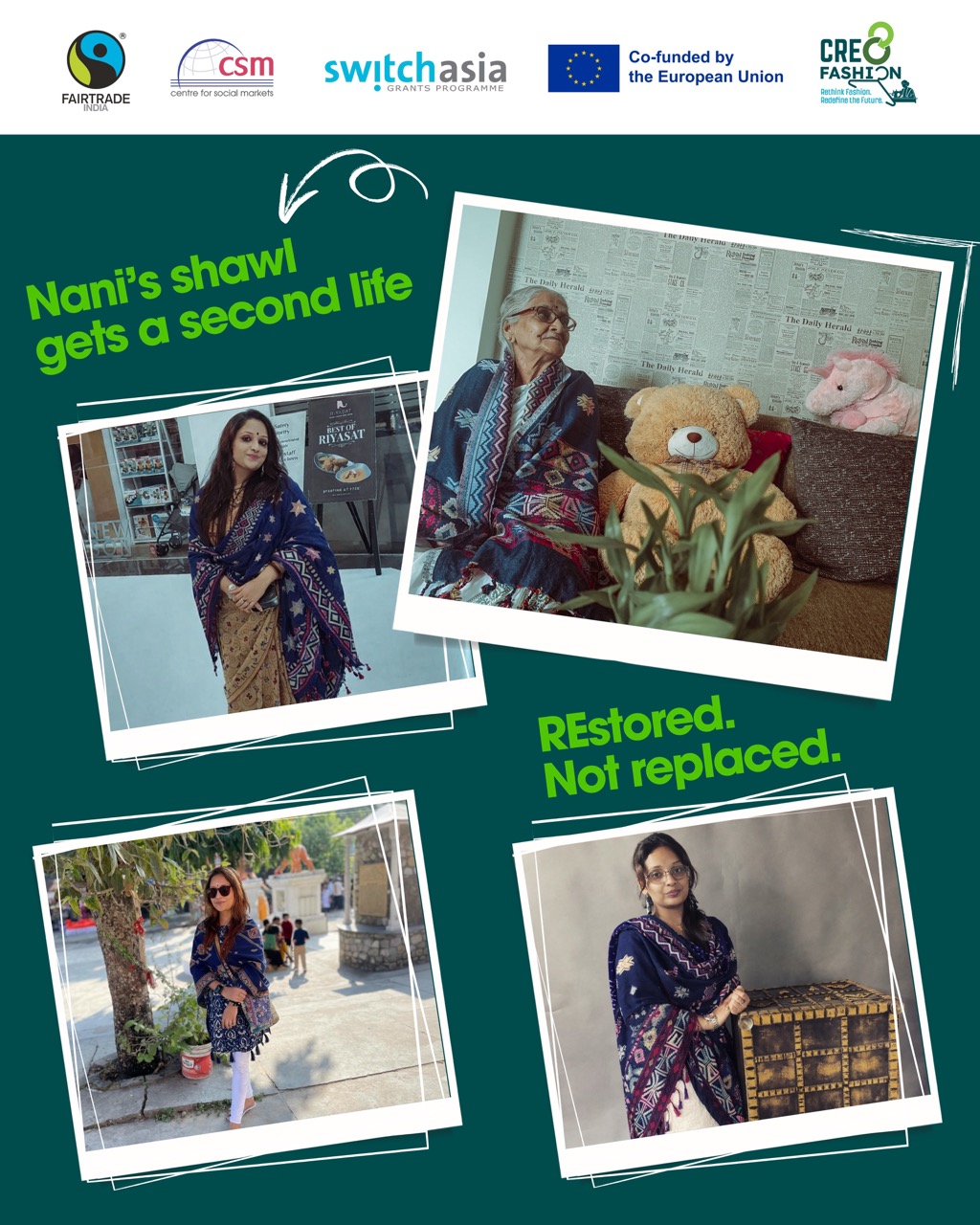
Clothes can also travel across generations. Many families already share garments between siblings, cousins, or even parents and children. A jacket worn by an older sibling can easily become part of a younger one’s wardrobe. A traditional outfit passed down from a parent can be worn in a new way. This practice keeps clothes in use for years and strengthens the emotional value attached to them.
Sometimes, the most meaningful pieces in a wardrobe are not the newest ones, but the ones that carry memories.
5 Simple Ways Students Can Reuse Clothes Instead of Buying New
Students, in particular, can lead the reuse movement with small everyday actions:
- Swap clothes with friends instead of shopping for new outfits.
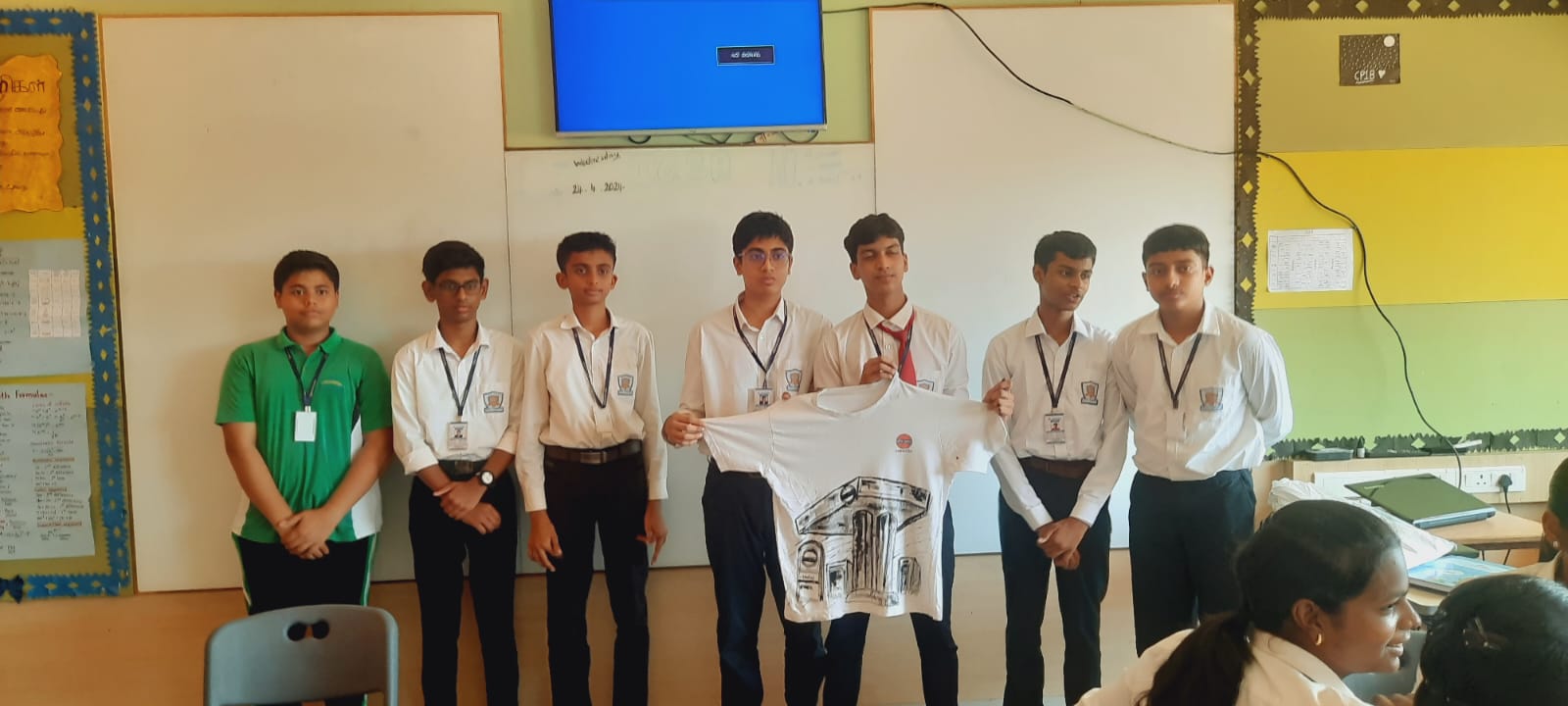
- Explore thrift or second-hand stores for unique and affordable fashion.
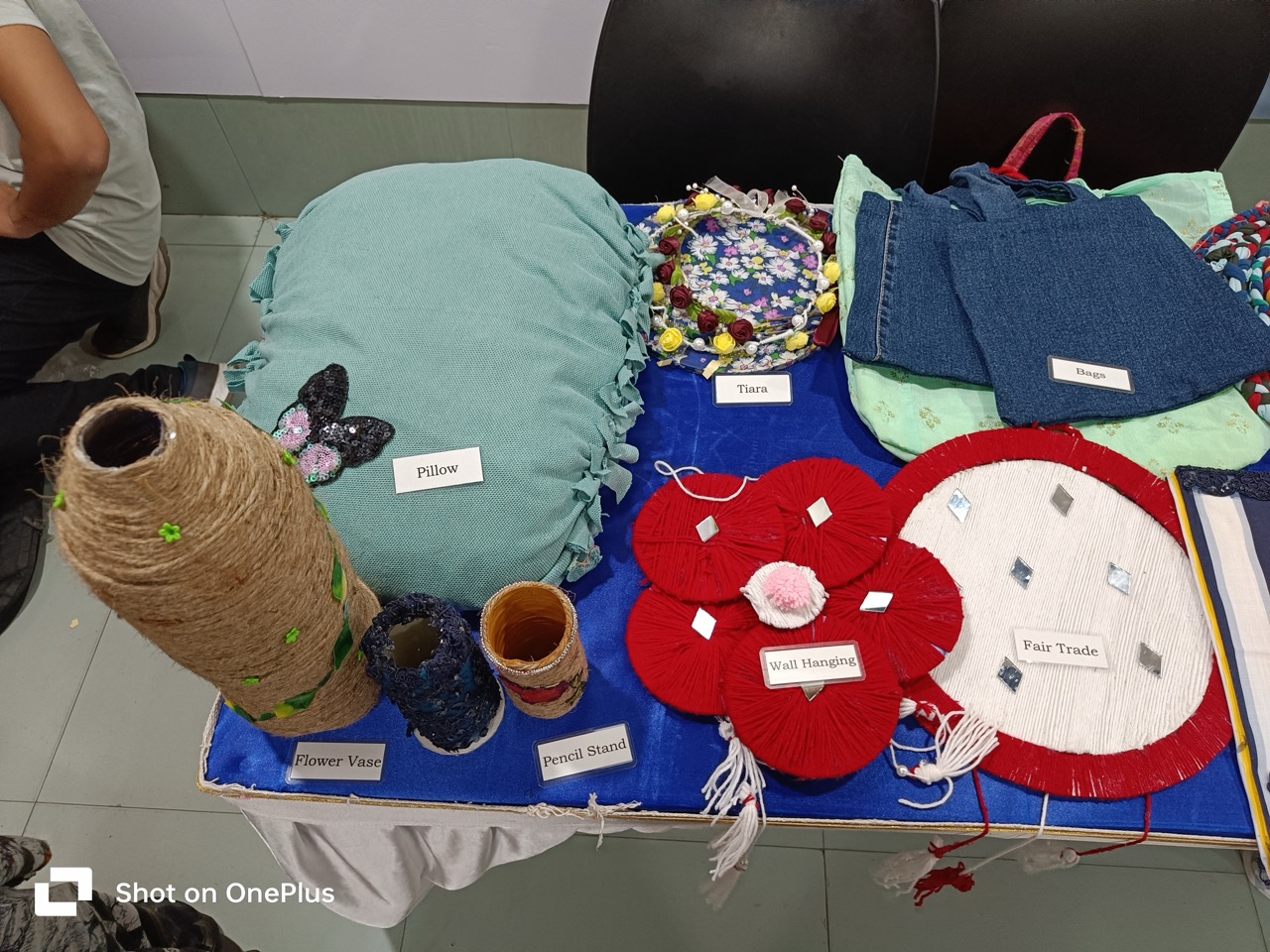
- Borrow outfits for special occasions instead of buying something you may wear only once.
- Share clothes within family circles, especially items that no longer fit.
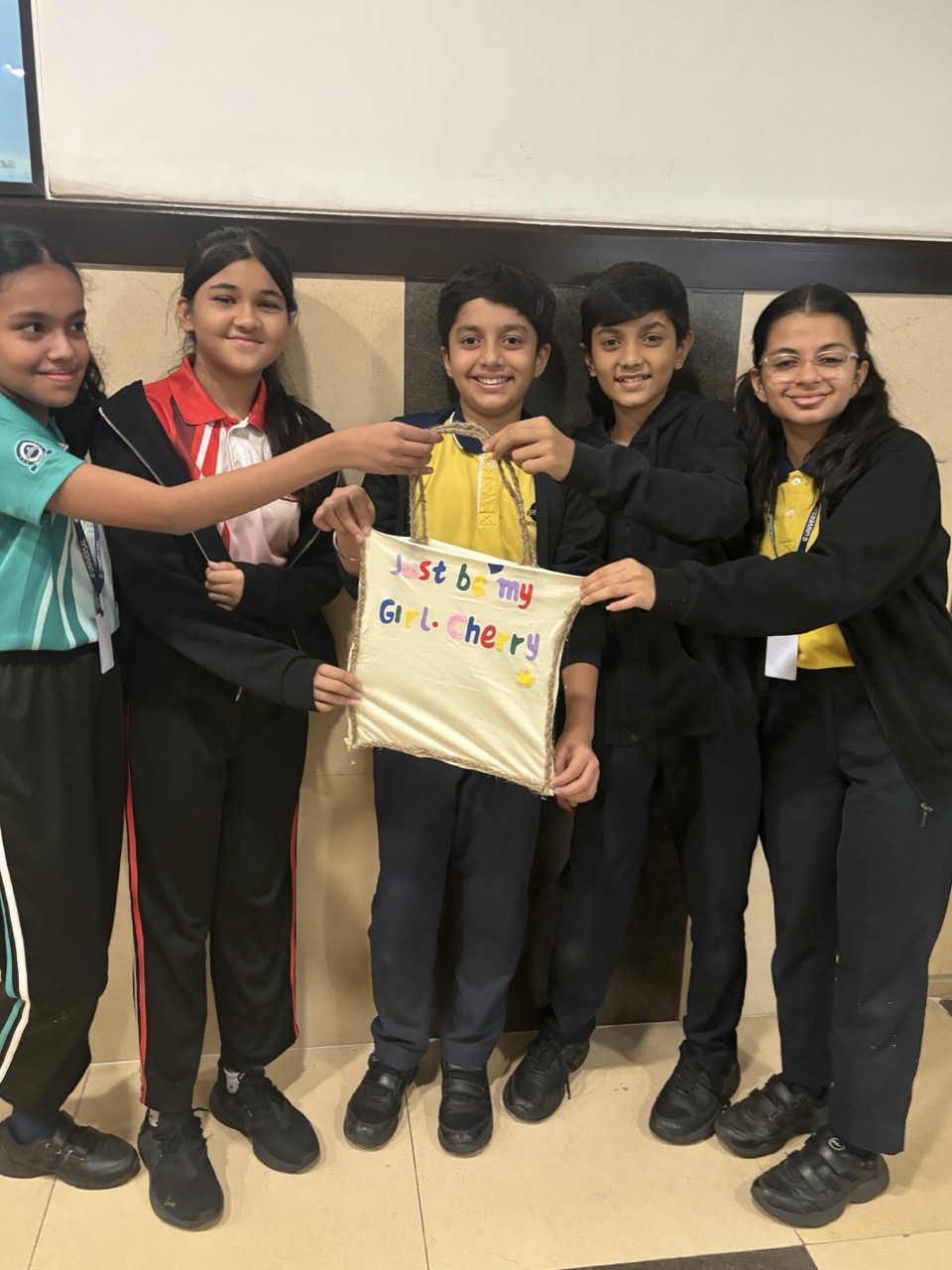
- Restyle old clothes by mixing them with different pieces in your wardrobe.
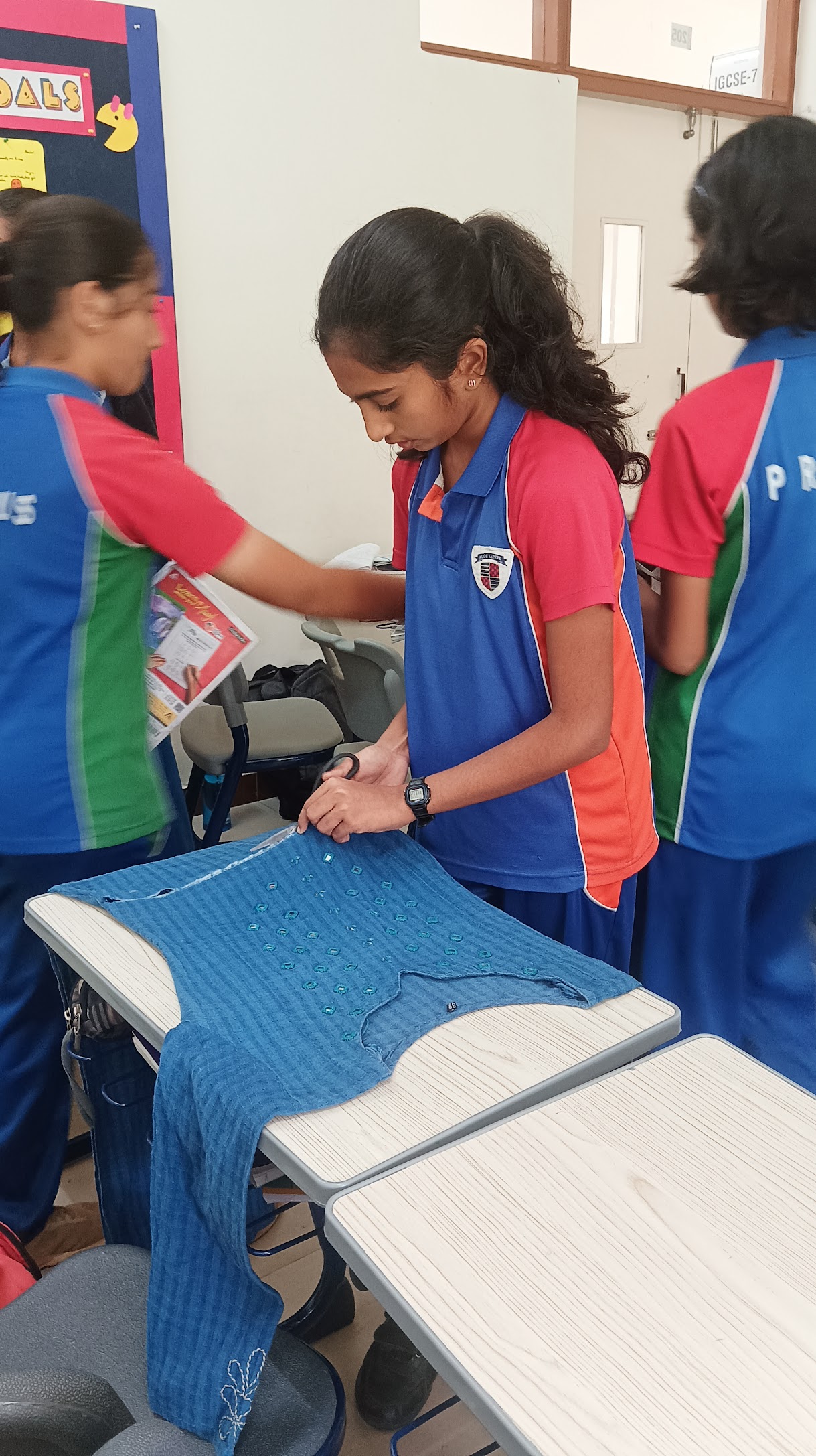
These simple habits reduce waste while keeping fashion creative and accessible.
A Smarter Way to Dress
Reusing clothes reminds us that fashion doesn’t always have to mean buying something new. Sometimes, the best additions to our wardrobe already exist — they just need a different owner or a new way to be styled. Swapping, thrifting, and sharing bring clothes back into circulation, helping fashion move away from a throwaway culture. Because the future of fashion may not be about owning more. It might be about using what we already have, in smarter and more meaningful ways.