
A missing button. A small tear. A loose hem. For many of us, these tiny problems are enough to push a perfectly good piece of clothing to the back of the wardrobe — or worse, into the trash. In today’s fast fashion culture, replacing clothes often feels easier than repairing them. But what if the smarter, more stylish choice is actually to fix what we already have?
Repairing clothes is quietly making a comeback, and it’s becoming one of the coolest ways to rethink fashion.
Why REpair Matters More Than Ever?
Fast fashion has made clothing cheaper and more disposable than ever before. New trends arrive every week, encouraging people to buy more and wear less. As a result, millions of garments are discarded every year, many of them after being worn only a handful of times.
But most clothing doesn’t reach the end of its life because it is not completely worn out. Often, it’s just a small issue — a ripped seam, a broken zipper, or faded edges. These are problems that can be fixed in minutes, yet they lead to unnecessary waste. Repairing clothes helps extend their life, reduces textile waste, and cuts down the demand for new production. In simple terms, repairing is one of the easiest ways to make fashion more sustainable.
REpair is Not Old-Fashioned Anymore
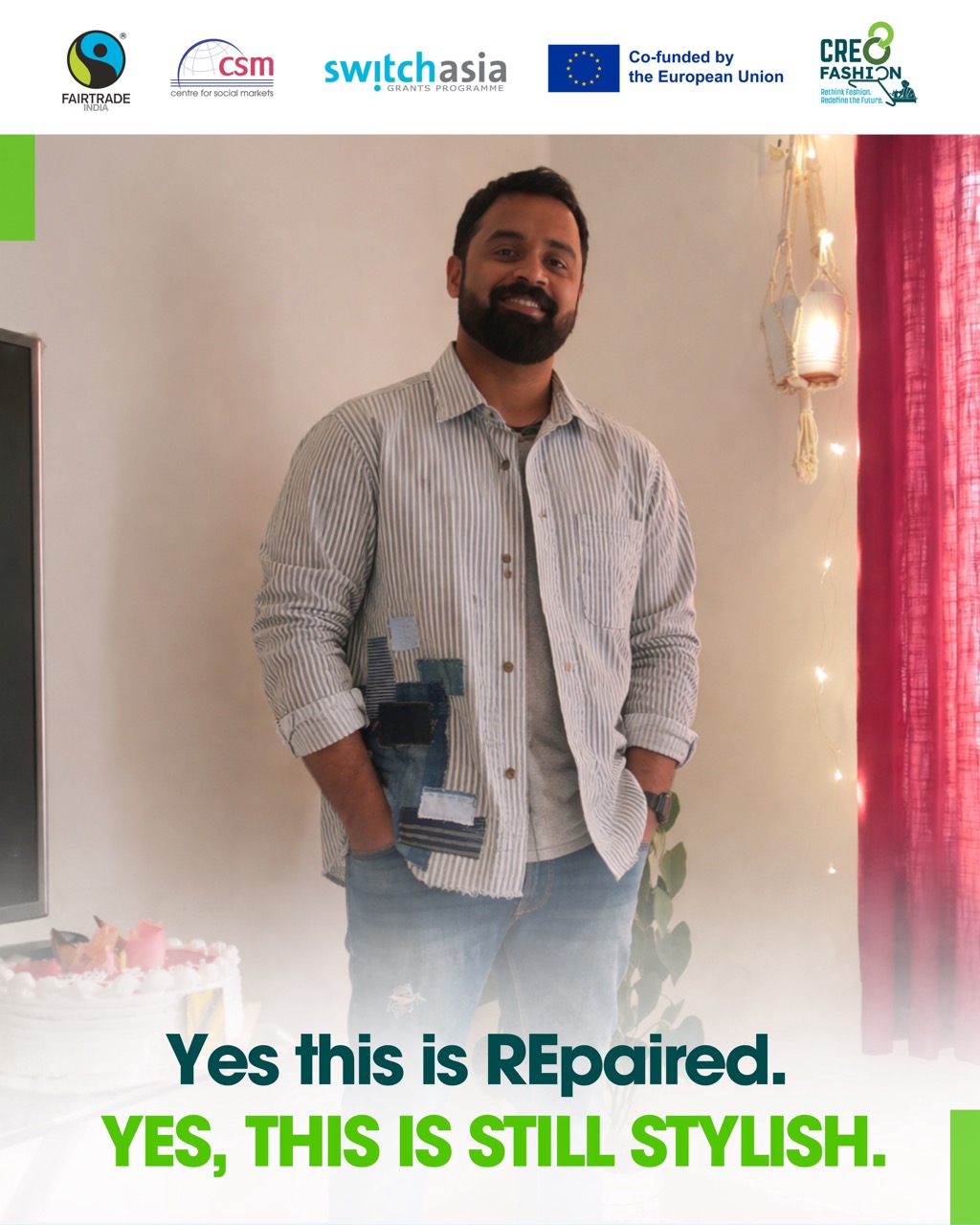
There was a time when repairing clothes was seen as something only older generations did. Today, it’s turning into a creative trend. Across social media and fashion communities, people are proudly showing their repaired garments. Instead of hiding stitches, many are making them visible and stylish. This practice, often called visible mending, turns repairs into unique design details.
A patched pair of jeans, creative rafu on a jacket, or a colourful patch on a backpack doesn’t just fix the garment — it tells a story. In a world where many clothes look the same, repaired garments stand out.
Simple Repairs Anyone Can Learn
The best part about repairing clothes is that you don’t need to be an expert tailor. Many repairs are surprisingly easy. A few simple skills can go a long way:
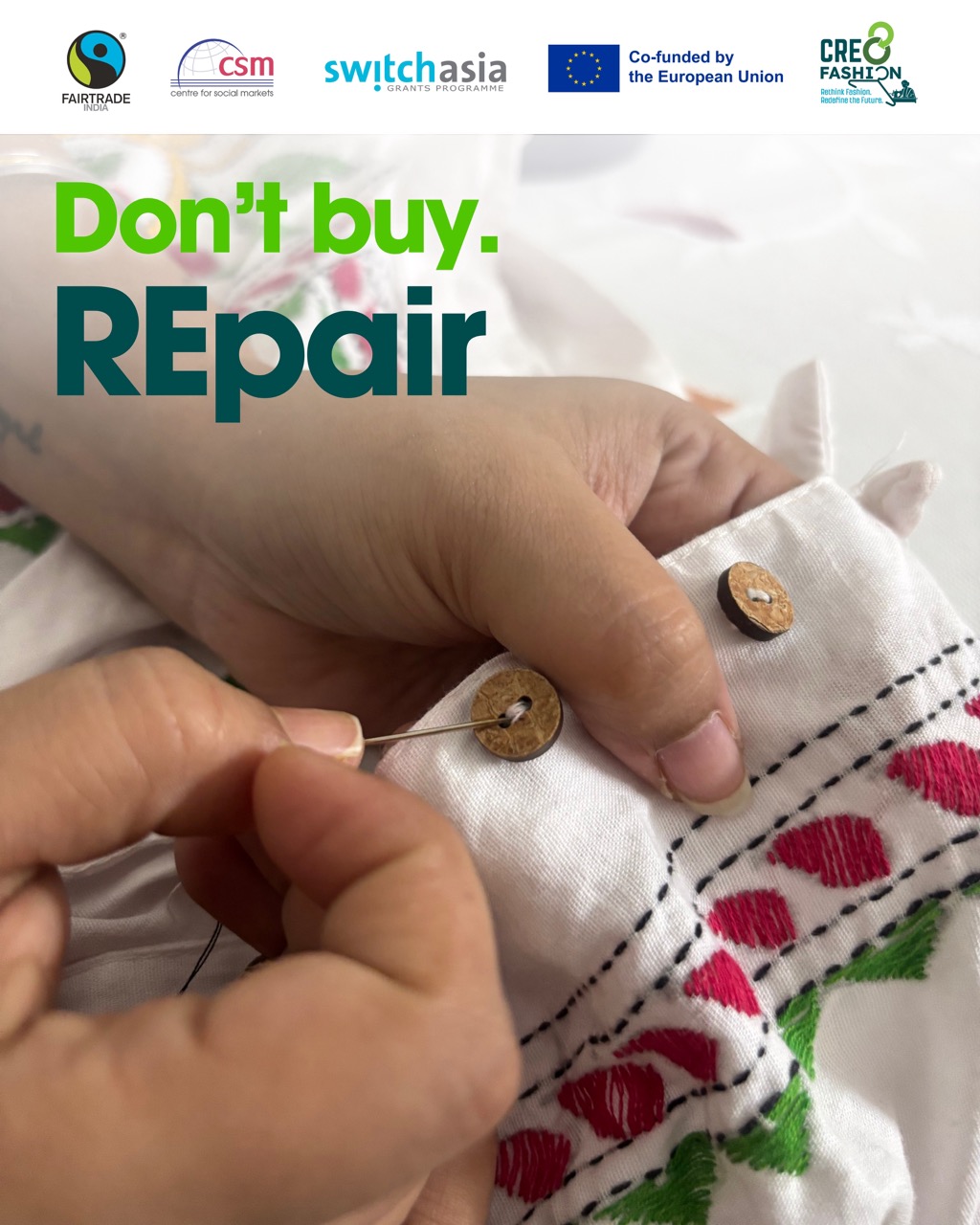
- Sewing a missing button
- Fixing a small tear with basic stitching
- Patching worn-out knees on jeans
- Adjusting a loose hem
- Reinforcing weak seams
With just a needle, thread, and a little patience, anyone can bring their favourite clothes back to life. For students and young people, learning these small repair skills can be empowering. It builds creativity, saves money, and encourages responsible consumption.
Clothes with Stories Last Longer
Think about the clothes you love the most. Often, they are the ones connected to memories — a jacket you wore on a special trip, a shirt that belonged to a sibling, or a saree passed down in the family. Repairing these pieces keeps those stories alive. Instead of seeing damage as the end of a garment, it can be seen as the beginning of a new chapter.
A repaired item becomes more personal, more meaningful, and often more unique than something bought new.
Repairing is a Small Act with a Big Impact
Choosing to repair instead of replace may seem like a small action, but when many people do it, the impact can be huge. It reduces waste, saves resources, and challenges the throwaway culture of fast fashion. More importantly, it changes how we think about our clothes, because sometimes, the most sustainable fashion choice isn’t buying something new. It’s simply fixing what we already have.