
Many wardrobes hold garments that are rarely worn but too special to discard — mother’s wedding saree, or dad’s wedding sherwani, a hand-embroidered jacket, or a traditional outfit passed down through generations. Over time these clothes may fade, loosen at the seams, or simply look worn.
But that doesn’t mean their story has ended. Restoring traditional garments is a beautiful way to keep memories alive while giving these pieces a second life. With a little care and creativity, old sarees, jackets, and traditional wear can look fresh and wearable again.
Start with Gentle Cleaning
The first step in restoring any garment is proper cleaning. Many traditional fabrics such as silk, cotton, or handwoven textiles are delicate and need gentle handling. If the garment has been stored for a long time, air it out in a shaded place before cleaning. This helps remove any moisture or musty smell from storage.
Hand washing with mild detergent works well for many fabrics, while delicate materials like silk may benefit from professional dry cleaning. Cleaning alone can often bring back the brightness and softness of the fabric.
Repair Small Damages Early
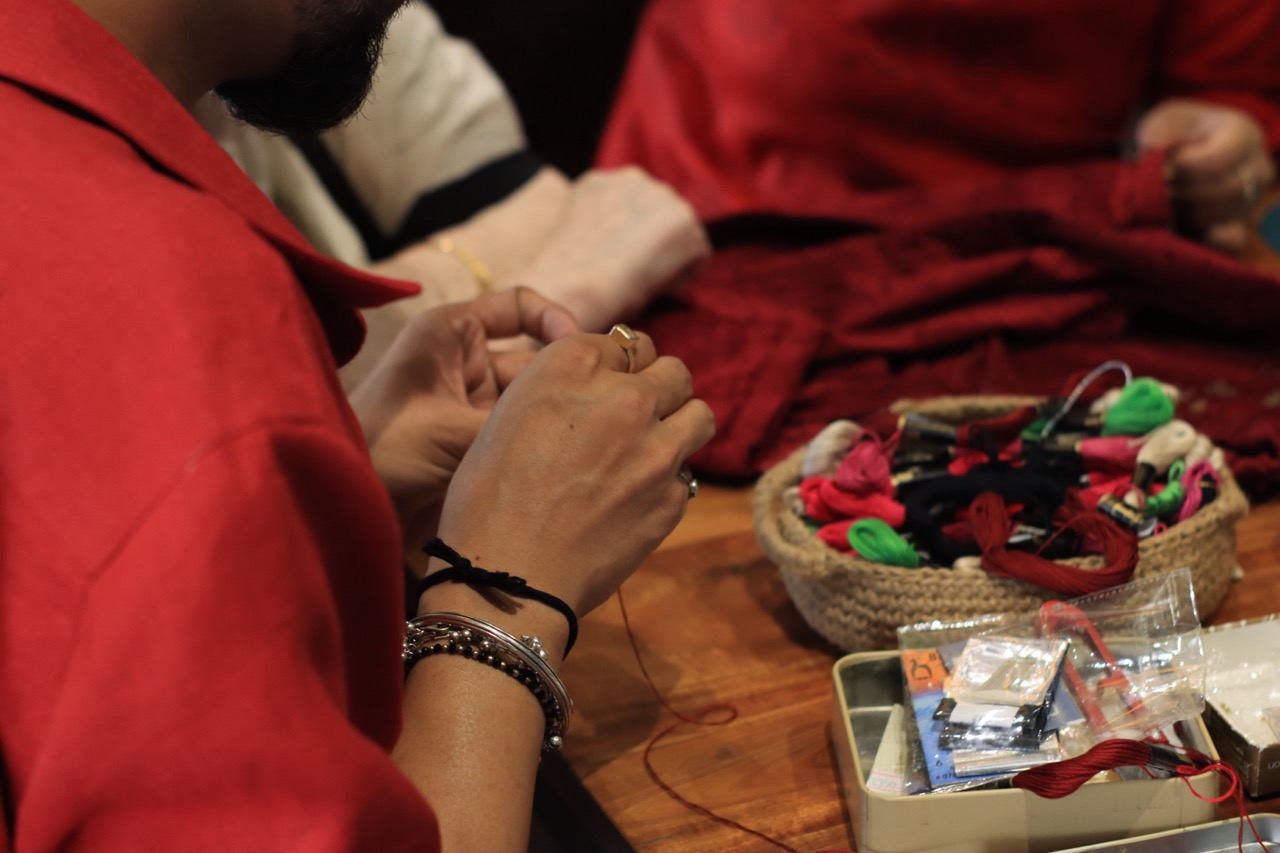
Over time, garments may develop loose threads, tiny tears, or weak seams. These small issues can grow larger if ignored, so it is best to repair them early. Simple hand stitching can fix loose seams or reinforce areas that are starting to weaken. Reattaching embellishments like beads or embroidery also helps restore the garment’s original beauty.
For sarees with worn edges, replacing or strengthening the border can make the piece look almost new again.
Refresh the Fit and Style
Sometimes clothes stop being worn simply because they no longer fit or feel outdated. Instead of letting them sit unused, small adjustments can make them wearable again.
An old saree blouse can be redesigned into a modern crop top. A traditional jacket can be slightly altered for a better fit. Sleeves can be shortened, necklines adjusted, or waistlines reshaped to suit current styles. These changes keep the garment relevant while respecting its original design.
Reinforce the Fabric
Areas like shoulders, elbows, and pleats often experience the most wear. Reinforcing these areas with lining or additional stitching can make the garment stronger and more durable.
For sarees that have become fragile, adding a soft lining when turning them into skirts or dresses can help protect the fabric while keeping the original look intact. Taking these small steps ensures the garment lasts for many more years.
Preserve the Beauty of Traditional Textiles
Traditional clothing often carries craftsmanship that is difficult to find in modern fashion — hand embroidery, woven patterns, and detailed borders that took hours or even days to create. Restoring these garments helps preserve that artistry. Instead of being forgotten in cupboards, they can continue to be worn and appreciated.
Clothes with a Story
Restoring old clothes is about more than just repairing fabric. It is about preserving memories and continuing traditions. A restored saree worn at a new celebration, or a repaired jacket styled with modern outfits, carries both history and new meaning. These garments become bridges between generations.
In a time when fashion often moves quickly, restoring traditional wear reminds us that some clothes deserve to last much longer. Because sometimes the most beautiful pieces in our wardrobe are not the newest ones — they are the ones that have already lived a story and are ready to begin another.